When it comes to keeping our homes cozy, choosing the right heating solution means more than just comfort. It’s about efficiency, control, and sometimes even contributing to a greener planet. Both smart electric radiators and traditional heaters offer unique benefits that fit different needs. Understanding these options is the first step towards making an informed decision.
Heating systems, in essence, work to maintain a comfortable inside temperature when outside temperatures drop. From my own experience, selecting the right one can significantly impact not just your monthly bill, but how comfortable you feel in your living space during those cold months. It’s a balance between staying warm and using energy wisely.
Smart electric radiators are getting a lot of attention these days, thanks to their cutting-edge technology. They promise more control and energy savings, integrating seamlessly with smart home systems like Alexa or Google Home. On the other hand, traditional heaters have been a reliable choice for years. They’re often seen as straightforward in terms of setup and usage, without much fuss.
Considering environmental factors is essential these days. With the rise of carbon footprints and climate change, the kind of heater you choose can be part of your broader environmental responsibility. Understanding the potential impact of your heating choice on the environment might influence your decision. With this in mind, evaluating all your options helps not only in keeping you warm but ensuring it aligns with your values.
So, whether you’re a fan of the latest tech or prefer something tried and tested, knowing your options helps. It’s not just about heating your home. It’s about doing it right for your lifestyle and possibly for generations to come.
Smart Electric Radiators: Modern Efficiency in Heating
Smart electric radiators have brought a wave of innovation to home heating, focusing on efficiency and convenience. They’re designed to provide precise temperature control through technology, making them appealing to tech-savvy individuals or anyone looking for modern solutions.
One of the standout features of these radiators is their energy efficiency. By utilizing smart technology, they can adjust heat output based on room usage, weather patterns, and even personal schedule preferences. This means less energy wasted and more savings on energy bills. Plus, a smart radiator can often detect when a window is open, adjusting its settings to prevent unnecessary energy use.
Integration into home automation systems is a big draw. Whether you’re already using Alexa, Google Home, or another smart hub, these radiators fit right in. Imagine setting the perfect temperature for your bedroom using just your voice or adjusting the heat from your smartphone while you’re still at work. It’s about comfort, but it’s also about ease of use.
Real-world examples highlight these benefits in action. Families have reported significantly lower energy costs after switching to smart systems, along with improved home comfort. However, as with any tech-based solution, there are potential challenges. Sometimes the initial setup might require a bit more attention compared to traditional units. Also, relying on apps and connectivity can occasionally pose issues if there’s a tech hiccup.
To wrap it up, smart electric radiators have a lot to offer for those who value control and energy efficiency. It’s a step into modern living, but one that seems promising for increased convenience and savings. It’s worth checking if this aligns with both your home’s needs and your lifestyle.
Traditional Heaters: Pros and Cons of Classic Systems
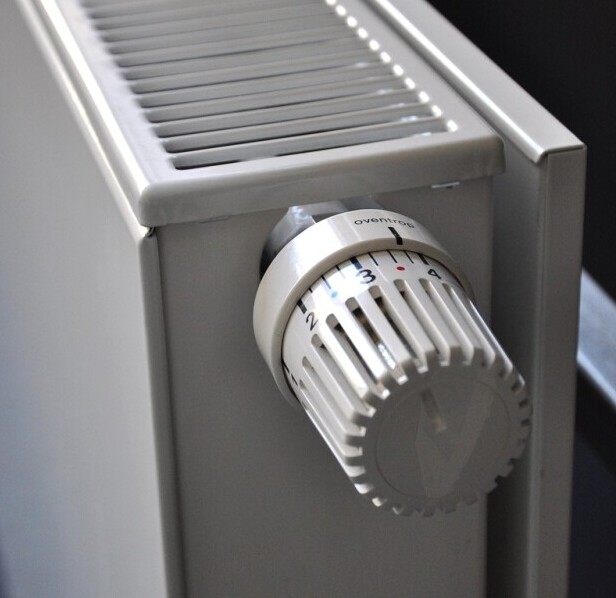
Traditional heaters have been heating homes comfortably for decades. These systems include convective heaters, panel heaters, and oil-filled radiators. Each type comes with its own set of advantages, making them a reliable choice for many households.
One of the primary benefits of traditional heaters is their straightforward installation and cost-effectiveness, especially in the short term. For those who might not be ready to invest in state-of-the-art technology, these heaters offer warmth without the need for a significant upfront expense. They usually require no complex installations or high-tech integrations, which can be appealing to those who prioritize simplicity.
However, traditional systems often come with higher ongoing costs due to less precise temperature control and higher energy consumption. Older models lack the smart technology that optimizes energy use, potentially leading to bigger utility bills over time. This might not be ideal for eco-conscious individuals looking to minimize their environmental footprint.
User experiences vary, but there’s a segment of the population that appreciates the consistent warmth provided by these heaters. They might lack modern smart features, yet continue to meet a basic need effectively in some living environments. It’s about weighing the simplicity and ongoing costs against the convenience of advanced features and potential energy savings.
Interestingly, even among traditional systems, there’s room for improvement. Technological advancements have led to more efficient versions of older models, which offer better energy use without losing their simple charm. For some, sticking with what’s known can feel more dependable.
In the end, understanding how these heaters fit into your daily needs and environmental goals helps you decide if they align with what you’re looking for in a home heating solution.
Making the Right Choice: Comparing Costs, Benefits, and Suitability
Choosing between smart electric radiators and traditional heaters ultimately comes down to weighing the initial costs against potential long-term savings and overall suitability for your home. Understanding the features and limitations of each option is critical to making a decision that fits your lifestyle and budget.
When considering upfront costs, traditional heaters often have an edge due to their lower purchase price. However, smart electric radiators can lead to significant savings over time due to their energy efficiency and smart controls. It’s often helpful to consider your long-term budget and energy costs to determine which might be more economically feasible.
The size of your home, the local climate, and your typical usage also play crucial roles in determining the best fit. Smart electric radiators excel in variable climates by automatically adjusting to changing conditions, making them a great choice for those areas with fluctuating temperatures. For smaller spaces or more stable climates, traditional heaters might suffice without over-complicating your setup.
Regulatory and environmental considerations can’t be overlooked. Smart models often comply with the latest energy regulations, helping reduce your carbon footprint and adhere to any environmental goals you may have set. In contrast, older traditional heaters might not meet newer standards, potentially pushing up energy bills and environmental impact.
Real-world examples show that many households benefit from transitioning smart systems, appreciating not only the efficiency but also the enhanced control and convenience. In guiding you through your choice, consider the installation practicalities, long-term savings, and how each style of heater fits within your environmental expectations and daily needs. This way, you’re not just choosing a heater—you’re selecting a solution tailored to heat your home effectively.