
Insulating your home is one of the most effective ways to improve energy efficiency, reduce heating costs, and enhance comfort. Here’s a guide to help you navigate the options available in the UK.
More people are paying attention to energy-efficient home insulation these days. Not only does it keep the chill out, but it also saves pounds by cutting down on heating costs. With energy prices making all of us squint at our bills, anything that promises to reduce these numbers is worthy of consideration.
1. Types of Insulation
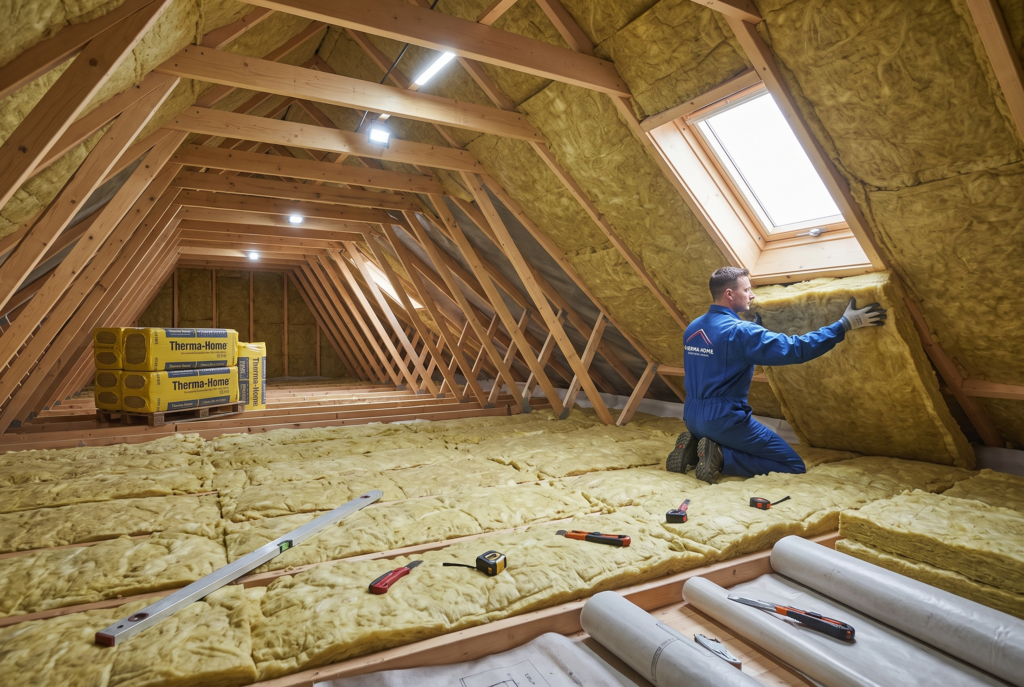
- Loft Insulation: This is one of the easiest and most cost-effective ways to insulate your home. Use mineral wool, fibreglass, or spray foam to reduce heat loss through the roof.
- Wall Insulation: There are two main types:
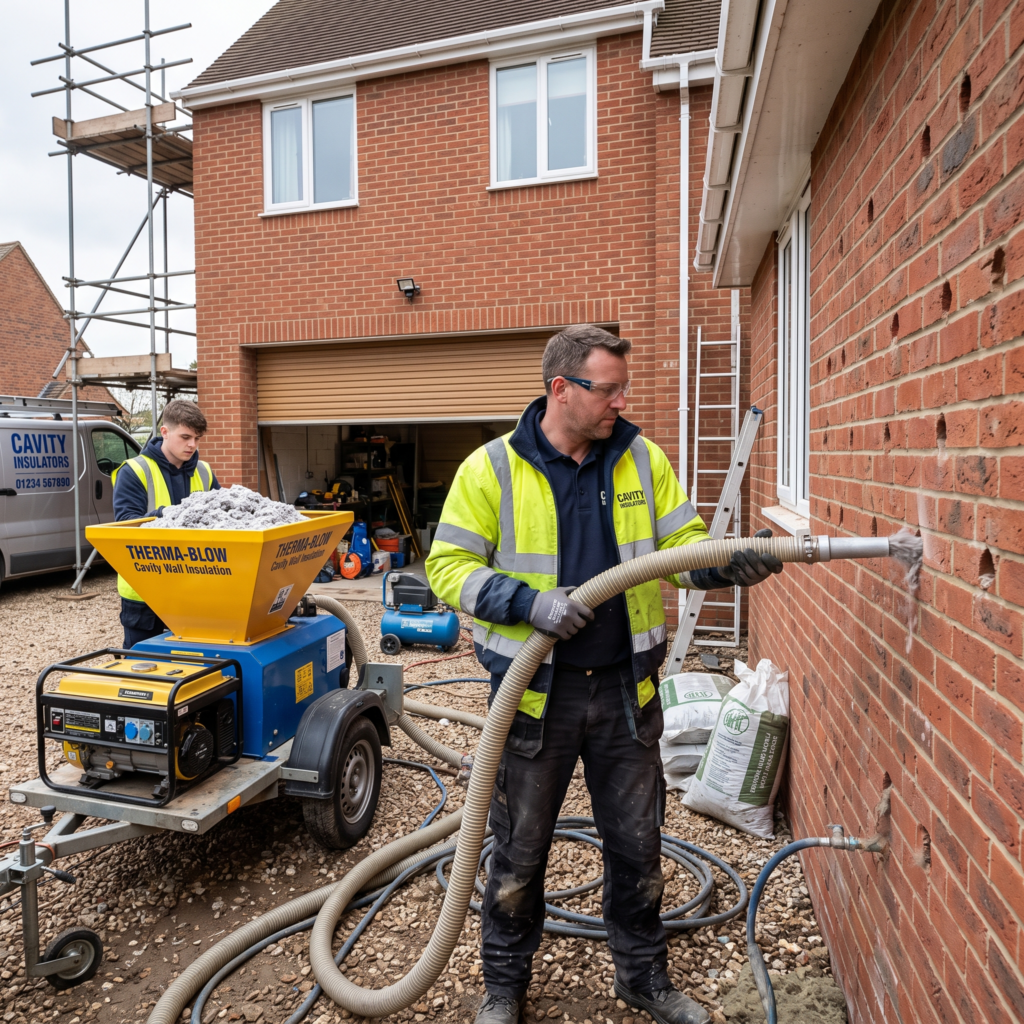
- Cavity Wall Insulation: Suitable for homes with a gap between the inner and outer walls. Insulation material is injected into the cavity to prevent heat loss.
- Solid Wall Insulation: For homes without cavities, external or internal insulation can be applied to solid walls.
- Floor Insulation: Insulating underfloor can help keep your home warm. Use rigid foam boards or mineral wool for suspended timber floors.
- Draught Proofing: Sealing gaps around windows, doors, and other openings can significantly reduce heat loss.
Identifying areas of heat loss is crucial. Typically, attics, walls, and floors are the primary suspects, and tackling these spots first can lead to significant improvements in your home’s energy efficiency.
2. Benefits of Insulation
- Energy Savings: Well-insulated homes can reduce your energy bills by up to 25% and can prevent damp and mould growth.
- Comfort: A well-insulated home maintains a consistent temperature, making it more comfortable all year-round.
- Environmental Impact: Reducing energy consumption lowers your carbon footprint, contributing to a more sustainable future.
“When comparing costs, consider both the initial expense and the potential savings on your energy bills. While certain materials might be pricier upfront, their efficiency can lead to significant long-term savings, making them worth the initial investment.“

3. Government Grants and Schemes
The UK government offers various grants and schemes to help homeowners with insulation costs. Check for local initiatives or the Warm Homes Plan, which may provide funding for eligible households.
Homeowners might also tap into available local council grants and incentives aimed at promoting energy efficiency. Programmes can offset some of the installation expenses, making energy-efficient home insulation more affordable and appealing. Checking eligibility for these benefits is a smart step before starting any insulation project.
4. Professional Installation vs DIY
Looking at real-world examples, many homeowners across the UK have successfully cut energy costs by investing in proper insulation. Case studies can offer insights into what might work best for your home. From the initial installation to long-term savings, learning from others’ experiences provides valuable lessons.
While some insulation projects can be tackled as DIY, hiring a professional ensures that the job is done correctly and safely. Always check for certifications and reviews when selecting a contractor.
As energy prices are predicted to keep climbing, the demand for effective insulation solutions is set to rise. Homeowners now look beyond initial costs, factoring in long-term savings and benefits.