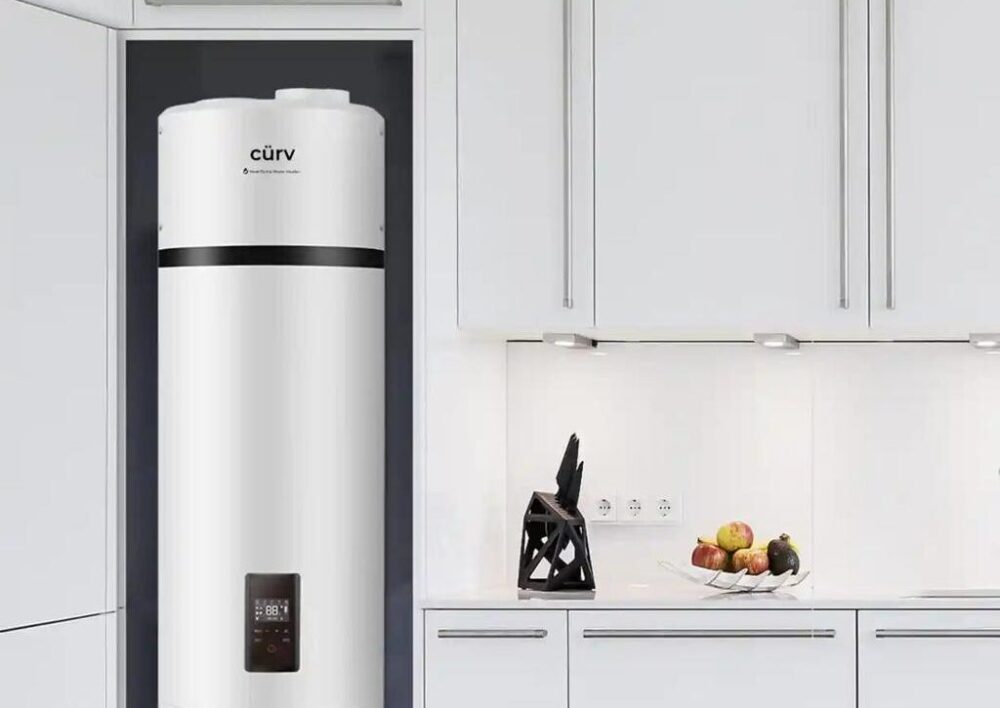
Modern electric water heaters have become a pretty common fixture in kitchens everywhere. Between energy efficiency improvements, compact designs, and cool tech upgrades, the options these days are nothing like the bulky old tanks from years back.
This guide is about how these heaters work and what’s worth knowing if you’re thinking about adding or replacing one in your kitchen.
Why They Are So Popular
Electric water heaters used in kitchens today are nothing like those you may remember from a few decades ago. People often choose them for kitchen use because they’re safe, reliable, and don’t need gas hook-ups or flues.
With more homes switching to electric appliances, water heaters have kept up with this trend by offering efficient heating elements, better insulation, and a focus on convenience.
Brands keep upgrading these devices, making them smarter, more user-friendly, and better at fitting into tight kitchen spaces. Compact point-of-use models are now everywhere in apartments, small homes, and even RVs, where space really matters.
Many homeowners stumble upon these advanced models while remodelling their kitchens, appreciating not just their small size but also their improved safety and eco features that fit neatly into a modern lifestyle.
This shift toward electric options also matches the popular trend of limiting fossil fuel use and emphasises safety in daily kitchen activities. Plus, the massive uptake in solar PV and battery storage is lowering their energy usage.
Water Heaters in the Kitchen
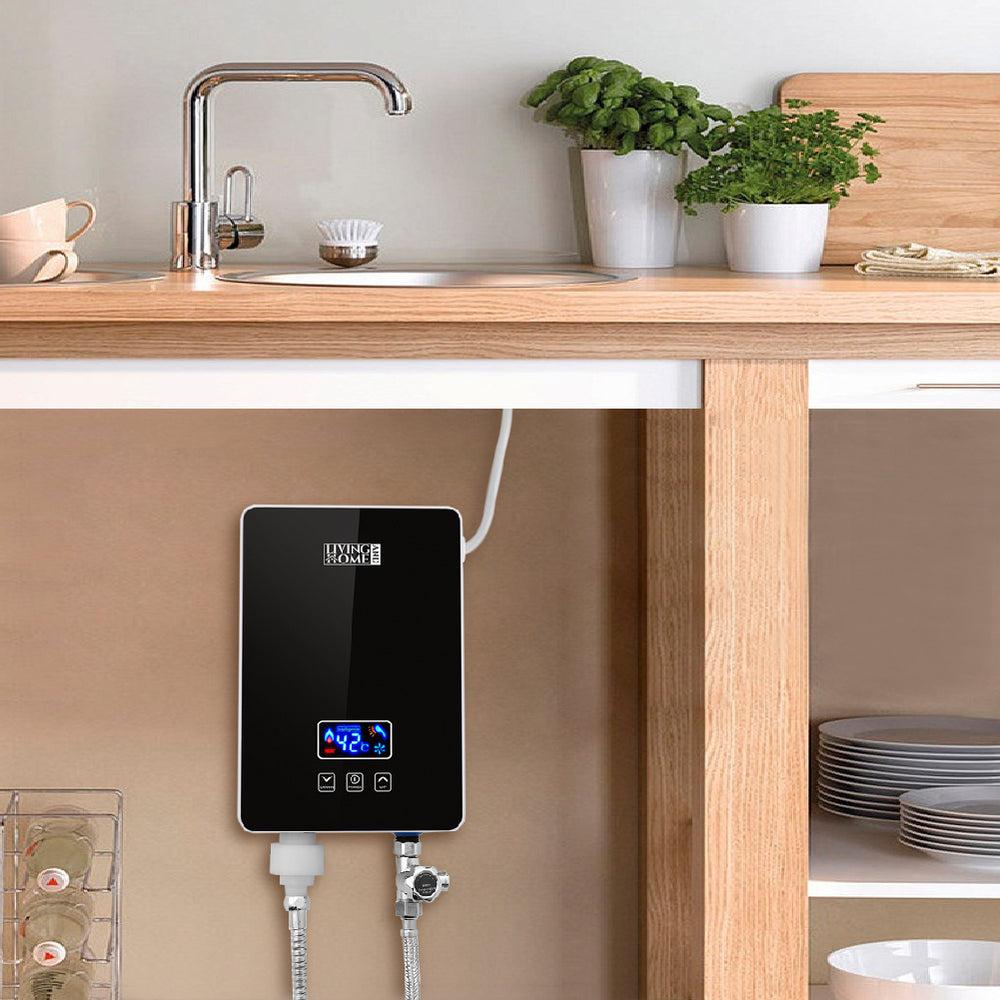
Most kitchen water heaters are either tank or tankless, and each style taps into your regular cold water supply, heats it up with an electric element, and sends it out ready to use. Here’s a quick look at the two main types you’ll find in kitchens:
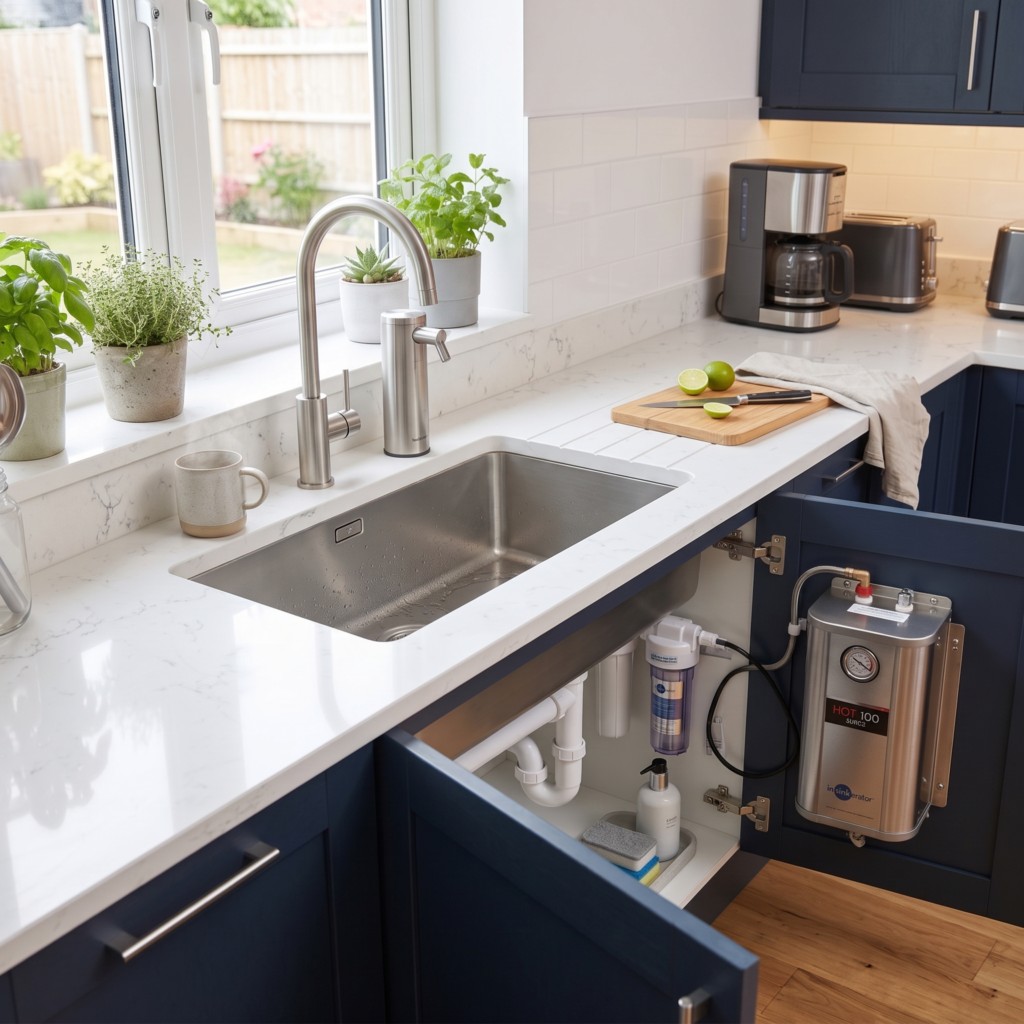
- Tank (Storage) Water Heaters: These sit under the sink or in a utility cupboard, keeping a few litres of hot water ready at all times. They’re usually affordable and easy to install.
- Tankless (On-demand) Heaters: These only heat water when you actually need it, which can save on power. They’re often more expensive up front but pay off when it comes to long-term efficiency.
Modern electric heaters also have better insulation to cut down on heat loss, digital controls for precision, and safety features like automatic shut-off and temperature limiters. So not only do you get hot water quickly, you also get peace of mind.
Some advanced models even let you adjust settings using smartphone apps, giving you full control over your kitchen’s hot water and offering maintenance reminders.
Steps to Installing Them
Getting one of these units set up in your kitchen is a pretty straightforward job if you’re handy, though plenty of buyers go with professional installation for safety. Here’s a simple breakdown of what the process usually looks like:
- Choose the Right Spot: Most kitchen heaters are installed under the sink, where they’re easy to reach and out of sight. Check that the space is big enough and near a power outlet.
- Connect the Plumbing: Installation involves splitting the cold water line, running hot water lines to your faucet, and putting in shutoff valves for safety.
- Electrical Hookup: Verify the power requirements and plug into a grounded outlet, or hardwire the unit if required by the manufacturer.
- Final Setup: Units typically get set up with the temperature dial or digital controls, and most kitchen models max out at safe temps to prevent scalding.
“If you’re not comfortable with plumbing or electrical work, calling a qualified installer is worth it to avoid leaks or electrical problems. Proper setup ensures long-term reliability and reduces headaches down the road.

Choosing a Water Heater
Details that can make a real difference:
- Capacity: Kitchens don’t usually need huge tanks, but families who use lots of hot water (for cleaning, handwashing, big food prep, etc.) might want 30-50 litres for a tank unit. Tankless heaters are chosen based on flow rate, or how many litres per minute (LPM) they can handle.
- Power: Electric water heaters for kitchens usually need a dedicated 240V line, depending on the unit’s power draw. Check your home’s wiring before you buy.
- Efficiency: Look for models with glasslined tanks, quality insulation, or energy rating certification for steady hot water with less wasted power. Make sure to compare energy usage ratings to choose one that will keep your bills in check.
- Size: Some kitchens, especially in apartments, have limited space under the sink. Measure carefully and compare with the unit’s dimensions. Some tankless units are only about the size of a shoebox, making them perfect for tight spots.
- Safety Features: Built-in thermostats, overheat protection, auto shutoff, and leak sensors keep things safe, especially if you have kids or elderly household members.
Common Problems
Even the best brands have quirks. I run into pretty similar questions from people using electric heaters in kitchens:
- Water Isn’t Hot Enough: Sometimes the dial is set too low, or the heating element is starting to wear out. If resetting the thermostat doesn’t help, it might be time for a replacement element.
- Slow Flow or Low Pressure: Mineral buildup inside the unit or the aerator can slow things down. Running a simple cleaning flush, or replacing the aerator, usually fixes it.
- Popping or Humming Sounds: Sediment in the tank can make strange noises. Regular descaling removes most minor buildups.
- Leaks: Leaks usually come from loose fittings, which are easy to tighten with basic tools. If the leak is coming from the tank itself, sadly, that’s usually the end for that unit.
Features
Here are a few features you might want to check for before you buy:
- Digital Controls: Just set your preferred water temperature and walk away. Some models even let you programme schedules for peak usage times.
- Eco Modes: Energy-saving modes tweak heating cycles to use less power and avoid unnecessary heating when nobody’s home.
- Ultra Fast Heating: Some models get water hot in just a few seconds, which is great if you’re always washing dishes or making tea, saving you both time and electricity.
- Compact Design: Small sizes, even for tank models, mean you don’t lose much cabinet storage space. Some ultra-slim heaters can be installed even in the narrowest cupboards.
- Remote Monitoring: Smart units that hook up to apps can send reminders about maintenance or let you adjust temps right from your phone, keeping everything running smoothly without much effort.
Where They Shine in Kitchen Use
- Cooking: Fast hot water is super handy for rinsing veggies, prepping pots, or getting dishwater ready instantly.
- Cleaning: Washing up greasy pans or disinfecting surfaces is way easier when you have reliable hot water right at the tap.
- Personal Use: Handy for quick handwashing or filling up a sink for soaking tough pots and pans.
Frequently Asked Questions
Here are some quick answers to the things people ask me most about electric water heaters in kitchens:
Question: How long do modern electric water heaters last?
Answer: With regular maintenance (like descaling), point-of-use tank and tankless models often last 8–12 years. High-quality units with advanced features sometimes last even longer, especially if you keep up with yearly checkups.
Question: Can I install an electric heater myself?
Answer: Many units are DIY-friendly, especially plug-in models. If you’re hardwiring or rerouting plumbing, a professional is your best bet for safety.
Question: How much energy do they use?
Answer: Usage depends on your model and water usage. Tankless units tend to use less overall because they don’t keep water hot all day. Many models are designed to be pretty efficient for kitchens, where the volume needed is smaller than a whole house. Energy Star ratings can help you pick a model that fits your eco goals and keeps expenses down.
Question: Are small electric heaters safe for families with kids?
Answer: Yes, especially if you pick models with adjustable thermostats and temperature limit controls to avoid burns. Make sure overheat protection is enabled and explain safe usage to children.