Instant hot water taps are handy for quick cups of tea, speedy meal prep, and even cutting down on clutter from kettles.
In this guide I’ll break down what these taps do, what features to look out for, and a few tips for choosing one that’ll fit smoothly into your kitchen routine.
Instant Hot Water Tap Basics
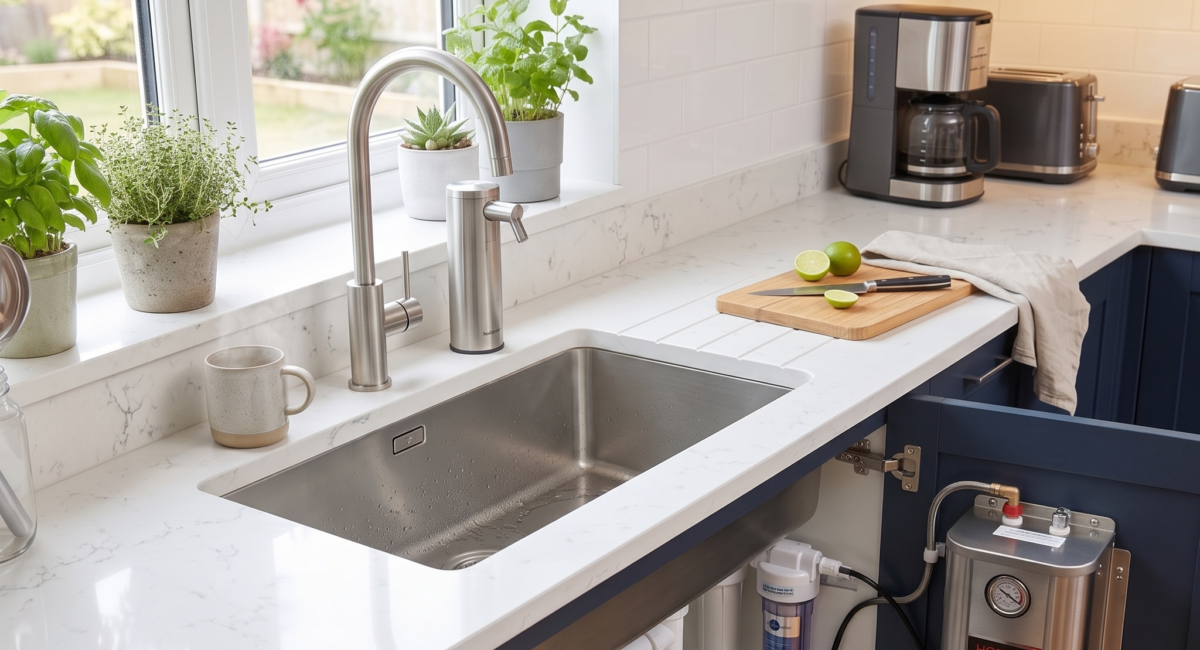
Instant hot water taps connect to a compact tank that sits under your kitchen sink. The tank keeps a steady supply of water at nearly boiling temperatures, usually right up to 100°C. Turn the handle, and you get steaming hot water without waiting.
The tanks are pretty well insulated, so the energy keeps circulating where it’s needed most: No more waiting for kettles or pans to heat up means your kitchen routine moves a lot faster.
- On-Demand Hot Water: Delivers near-boiling water instantly, perfect for hot drinks or cooking.
- Thermal Insulation: High-quality insulation means less energy lost when the tap isn’t running.
- Safety Features: Many models add push-and-twist or press-and-hold dispensers, helping to prevent unexpected splashes or burns.
How Instant Hot Water Taps Work
Instant hot water taps are a pretty smart upgrade for any kitchen. Instead of heating water separately, these taps connect to a small tank that sits under your sink. The tank keeps water hot continuously, usually at 98 to 100°C, so when you turn the tap, you get steaming hot water right on demand.
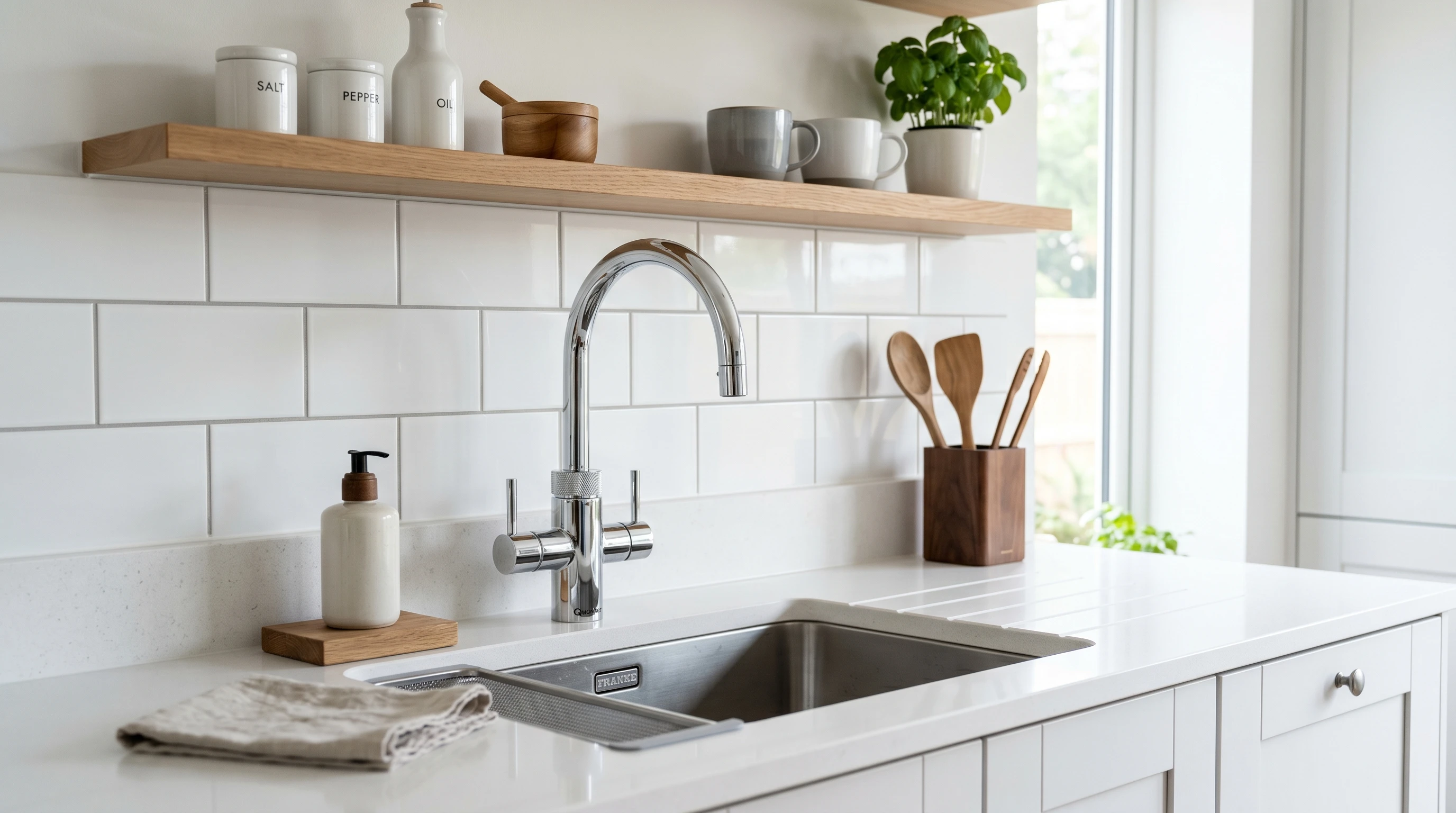
Most models use good insulation to hold the heat in, which stops extra energy from being wasted when you aren’t using it. Advantages of these are:
- Continuous Hot Water: Keeps a small supply ready, so there’s almost no waiting time.
- Safety First: Most have safety features, like cool-touch spouts, child locks, or push-and-turn handles, so accidental burns are less likely.
- Energy Smart: Uses less electricity than boiling-repeat kettles or pots for single cups.
Benefits For Modern Kitchens
Having an instant hot water tap goes way beyond convenience. Here are a few reasons a lot of people are making the switch:
- Cuts Down On Clutter: There is no need to have a kettle out on the counter, so you free up more space for everyday prep and storage.
- Speeds Up Cooking: Blanching vegetables, cooking pasta, or prepping soups gets a whole lot quicker with hot water always ready.
- Ecofriendly Use: These taps help you use just the water you need, cutting back on waste and preventing you from reboiling the same water over and over again.
- Stylish Upgrade: New designs look both modern and classic at the same time, easily fitting into nearly every kitchen style.
Key Features To Look out For
It’s worth checking out which features line up with how you use your kitchen. Here’s what I look for:
- Adjustable Temperature Controls: Some taps let you select how hot you want the water. This is great for everything from herbal teas to prepping instant noodles or soups.
- Filtered Water Option: Several models come with built-in water filtration, so you get hot water that tastes fresher and reduces scaling inside the tank. This not only gives your drinks a boost but also extends the tap’s lifespan.
- Cool Touch Spout: Taps with an insulated spout stay cooler, which is important for families with kids around because it cuts down on burn risks.
- Dual Function: Many advanced taps provide both boiling and filtered cold water from a single unit. You’ll save space and streamline your sink setup, which looks and feels more organised.
- Tank Capacity: Tank sizes range from about 2 to 7 litres. Larger tanks are good for big households, while smaller ones suit solo cooks or couples who don’t use hot water as frequently.
- Power Usage: Look for taps rated for energy efficiency. These use less electricity and can help curb your monthly bills, which adds up over time.
Specs and Technical Details
Understanding the tech details helps you make sure the system fits and works well at home. Here are the basics:
- Voltage/Fuse Ratings: Most tanks run on a standard 240V supply. Always check compatibility with your home’s wiring before buying to avoid surprises.
- Heating Power: Heating elements generally fall between 1.5 and 2.5 kW, heating a fresh tank of water within 10-15 minutes if it needs to refill. This speed is one of the main selling points.
- Flow Rate: Most taps dispense around 1.5 to 2.0 litres per minute, quick enough for most uses and not so fast that it’s dangerous or wasteful.
- Water Pressure: Manufacturers usually recommend connecting the system to a cold mains water supply with at least 1.5 bar pressure for smooth performance and reliability.
- Dimensions: The compact tanks are shaped to fit snugly under most sinks, though measuring your available space before you buy saves a lot of headaches and possible returns.
Choosing The Right Tap For Your Kitchen
Choosing the right one really comes down to how you use your kitchen and what matters to you the most. Here’s how I narrow down the options:
- Household Size: Bigger families and busy home chefs will want larger tanks for back-to-back uses, like dinner parties or lots of cups of tea at once. Small households can go for more compact options.
- Installation Needs: Some taps can be installed DIY if you feel comfortable with basic plumbing and electrical work, but others might need a pro, especially if you’re adding a new outlet under the sink.
- Water Quality: Hard water zones benefit from models with built-in filtration, helping the system last longer and keeping your water tasting great.
- Budget: Entry-level taps start around £100, but models with dual temperature or stylish finishes run up to £800 or more. Set a budget, but remember to consider the cost of installation or filter cartridges if they’re needed.
- Tank Size: Small tanks heat up faster and take up less space but might not be enough for big households if you often need a lot of hot water at once. Bigger tanks suit busy kitchens better.
- Safety Features: I always look for cool-touch spouts and safety locks, especially with kids around.
- Finish and Design: These taps come in stainless steel, chrome, matt, black and more. Picking a finish that matches your current setup makes the new tap blend in seamlessly.
Setup, Maintenance, and Usage Tips
Getting the tap installed is usually straightforward. Maintenance is simple but important:
- Replace or clean the filter every 6 months or as suggested by the maker. This keeps the water fresh and ensures good flow.
- Descale the tank and spout to keep the system running smoothly and to avoid mineral buildup. Most manufacturers provide clear instructions on this process.
- If you leave home for a week or more, switch off the tap to save energy and extend the life of your hot water system.
- Stick to the manufacturer’s monthly maintenance for a longer lifespan.
- Use filtered water if possible to keep the system running smooth and to prevent buildup.
- If you’re going away for more than a few days, switch off the tank for extra energy savings.
Are They Worth It?
If you’re looking to give your kitchen’s convenience a boost, save counter space, and make meal prep a breeze, an instant hot water tap is worth considering. If you have a gas combi boiler, then it may not be a good option, as you already have instant hot water on demand. The right features can genuinely improve your cooking routine and how much you enjoy using your kitchen.