
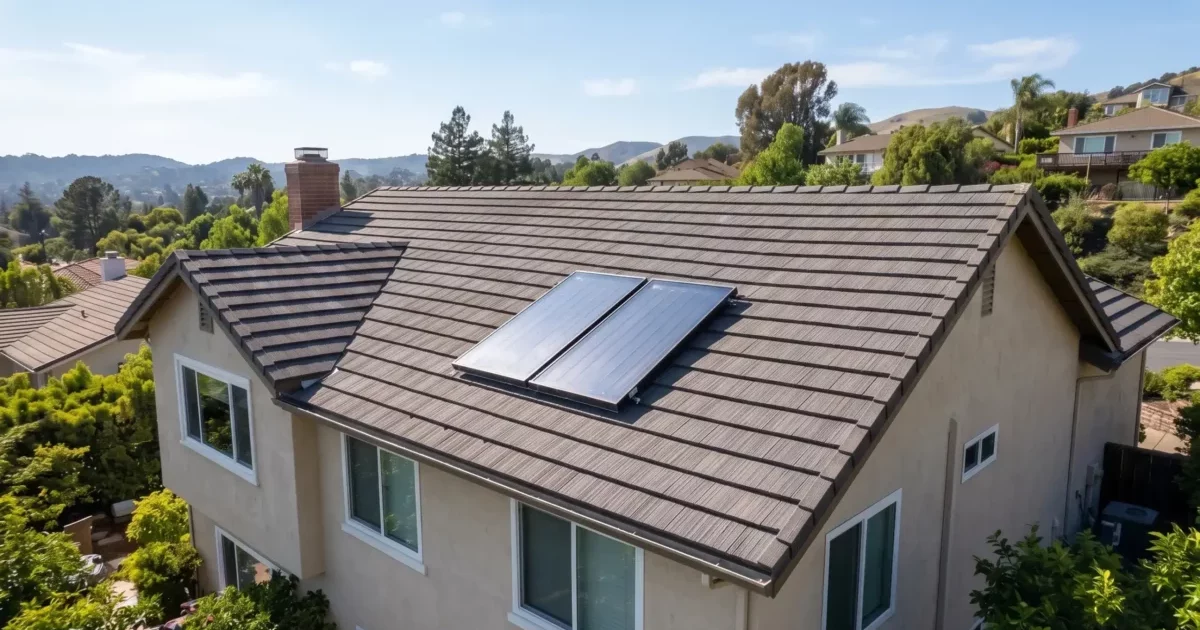
Solar thermal energy is about capturing the sun’s heat and using it for practical purposes, mainly hot water production and space heating. Unlike solar photovoltaic systems, which convert sunlight directly into electricity, solar thermal systems harness the sun’s heat energy, making them an efficient way to meet hot water needs.
This guide will tell you all you need to know about how they work, the benefits, and the cost of solar thermal.
At the core of these systems are solar collectors, which absorb solar radiation. The most common types are flat-plate collectors and evacuated tube collectors.
| Collector Type | How It Works | Efficiency | Best For |
|---|---|---|---|
| Evacuated TubeHigher Output | Sunlight heats a fluid inside glass tubes; a vacuum around each tube minimises heat loss | HigherPerforms better in low light & cold | Homes wanting year-round output, including duller UK winters |
| Flat Plate Collector | Sunlight warms a dark absorber plate under glass, transferring heat to a fluid running beneath it | GoodBest in direct, strong sunlight | Simpler installs, lower cost, roofs with strong summer sun exposure |
Both types are typically paired with a heat pump, condensing boiler, or immersion heater to cover demand when solar gain is low.
Flat-plate collectors are typically more straightforward in design and often used in domestic hot water systems. Evacuated tube collectors, on the other hand, boast more advanced technology and are particularly effective in colder climates due to their superior heat retention.
The collected heat is transferred to a working fluid, like water or antifreeze, which then circulates through a closed-loop system to either a heat exchanger or directly into a hot water cylinder coil or space-heating system. This process ensures that the captured solar thermal energy is effectively used where needed.
There are different configurations of solar thermal systems depending on the application. Direct and indirect systems are terms you might come across. Direct systems circulate domestic water through the solar collectors, ideal for areas with mild climates. Indirect systems, more common in cooler regions, use a heat-transfer fluid that circulates through the collectors to heat water stored in a separate tank.
When comparing solar thermal systems to photovoltaic or other renewable energy technologies, a major advantage is their efficiency in converting solar energy into usable heat. They’re particularly good for replacing traditional water or space heating solutions, demonstrating significant energy savings and reduced carbon footprints.
Harnessing Solar Thermal Energy: Efficiency and Performance
The effectiveness of a solar thermal system is largely determined by its efficiency. Several factors come into play here, including the system’s design, solar collector type, and the local climate conditions. For example, locations with high solar radiation throughout the year naturally see better system performance.
To get the most out of a solar thermal system, it’s crucial to focus on maximising efficiency. Consider the placement and angle of solar collectors. Properly orienting them to capture maximum sunlight during peak hours can make a significant difference. Also, minimising heat loss by ensuring good insulation and regular maintenance further boosts system performance.
Incorporating energy storage solutions can enhance the overall utility of solar thermal systems. By storing excess heat, you can ensure a steady supply of hot water or space heating even during cloudy days or night time, effectively balancing energy supply with demand.
Exploring the Benefits of Solar Thermal Systems
- Solar thermal systems bring a host of advantages, starting with significant cost savings. By utilising free solar energy, you can reduce reliance on traditional energy sources, which translates into lower energy bills over time. This long-term financial benefit is a compelling reason for many homeowners and businesses to make the switch.
- Environmental protection is another big plus. Solar thermal systems don’t produce emissions during operation, helping to cut down on the community’s carbon footprint. This clean energy solution contributes to a healthier planet by reducing our overall impact on climate change.
- Energy independence is a significant benefit that often goes overlooked. With a solar thermal system, you’re less vulnerable to fluctuating energy prices and supply disruptions. This newfound self-reliance offers peace of mind, knowing that a portion of your energy needs are being met sustainably and reliably.
- Reduced reliance on fossil fuels contributes to cleaner air, which can lead to fewer respiratory issues and improved public health. Furthermore, embracing sustainable technologies like solar thermal energy often fosters a positive community spirit, encouraging further adoption and innovation in renewable energy solutions.
Choosing the Right Solar Thermal System for Homes
- Start by evaluating your household’s hot water demand and heating needs. This understanding will help determine the size and capacity of the solar thermal system you’ll require. Consider seasons too; certain systems perform better in specific climate conditions, which might influence your decision.
- Look for systems with proven reliability, efficient energy conversion, and strong warranty offers. Brands and models with high performance ratings and positive customer feedback can point you in the right direction. Consulting with a professional installer can really simplify the selection process, ensuring compatibility with your home’s existing heating infrastructure.
- Proper installation is crucial for optimal performance, so hiring a reputable installer is essential. They’ll make sure the system is correctly integrated with your home’s plumbing and heating setup. A well-installed system not only enhances efficiency but also extends the system’s lifespan, maximising your investment.
- Customisation options allow for adaptability to meet specific household needs. Some might require more storage capacity, while others could benefit from a system that performs well in low-light conditions. Tailoring the system to match specific requirements can improve performance and satisfaction.
- Hearing directly from other homeowners who’ve successfully installed solar thermal systems can be invaluable. Their experiences often provide practical insights and tips, such as negotiating installation costs or dealing with maintenance challenges. These first-hand accounts can guide your decision making process and set realistic expectations for transitioning to solar thermal energy.
Economic Evaluation: Cost of Solar Thermal Systems by 2026
Examining the costs involved in setting up solar thermal systems now and in the coming years is crucial for making informed decisions. As technology advances, the price of these systems tends to become more competitive. Upfront costs generally include purchasing the system, installation fees, and any necessary modifications to the existing plumbing or heating structures.
| Flat Plate | Evacuated Tube | |
|---|---|---|
| Installed cost | £3,000–£6,000 | £4,000–£8,00020–30% more than flat plate |
| Annual hot water covered | 50–70%Higher in summer | 60–80%15–20% more heat in low light |
| Running costs | £10–£20/yearCirculation pump electricity | £10–£20/yearCirculation pump electricity |
| Typical payback period | 15–25 years | 15–25 yearsLonger given higher upfront cost |
| Expected lifespan | 20–25 years | 15–20 years |
| Maintenance | Glycol fluid check every 5–7 years; pump may need replacing after 10–15 years | Same as flat plate, plus occasional tube replacement if one fails |
Figures are typical UK ranges for 2026 and will vary by property, roof access, collector size and whether a compatible twin-coil cylinder is already in place. Payback periods are notably long compared with solar PV, which is worth weighing up alongside solar thermal.
Financial benefits emerge over time. Once installed, solar thermal systems significantly decrease energy bills, leading to notable savings in the long run. This aspect makes them an attractive investment, despite the initial expenditure.
In terms of financing, various options can ease the financial burden. Solar thermal isn’t covered by the Boiler Upgrade Scheme, but installing energy-saving materials such as solar panels is currently zero-rated for VAT until 31 March 2027, so check with your installer that your system qualifies. Our guide to heating grants covers what else is available. Many financing programmes offer favourable terms and conditions, supporting broader access to solar technologies.
When comparing the costs of solar thermal systems to traditional energy sources, the long-term savings are substantial. Conventional systems might be cheaper upfront, but rising fuel costs and maintenance can make them more expensive over time. Solar thermal systems provide a more stable, low-cost heating solution over their lifespan, offering better value for money.

Keeping your system in top shape is key for long-term efficiency. This means routinely checking for leaks, ensuring collector surfaces are clean, and confirming that all components are functioning correctly. Regular servicing can help catch small issues before they become major problems, ensuring your system operates at peak efficiency.
Final Thought
Looking ahead to 2027, the cost landscape is expected to evolve with continued improvements in technology and greater market adoption. Increased competition among manufacturers might further drive prices down. Such trends could make solar thermal systems even more accessible to homeowners, expanding their presence in both urban and rural settings and contributing to sustainable energy goals.