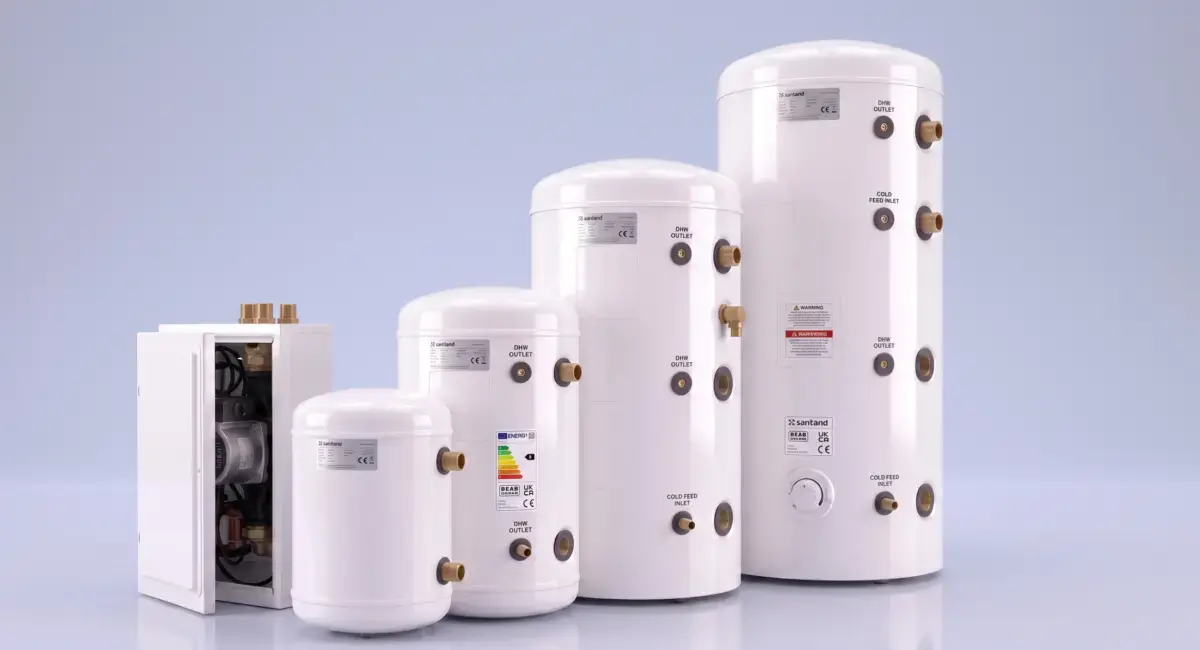
Hot water cylinders come in many different forms; this is why they need to be chosen carefully for the type of system they are going to be fitted. They will also need to fit the hot water needs of the household as well.
This guide will give an insight into the details of domestic hot water storage and best practices for safe use.
Energy-Efficient Cylinders
Picture your heating system as a team, working together to keep your home comfy. The hot water cylinder is like the behind-the-scenes player that holds the hot water ready for you at any time. It gets heated by boilers or other heating methods, depending on the type, stores it, and then sends it off to your taps when you need it.
Why should you care? Because a decent hot water cylinder means consistent and good-pressure hot water, and who doesn’t want their showers to feel like a mini spa session? Plus, in a world that’s all about energy efficiency, having a cylinder that plays well with modern heating systems can save you cash in the long run.
Your old hot water cylinder will not be compatible with a heat pump, and therefore, it is important to know a little bit more about them and see how they fit into heat pump installations, including how to size them correctly according to your household’s hot water needs and where they can be housed
Varieties of Hot Water Cylinders
Diving into the world of hot water cylinders can feel like choosing from a menu with too many options. The key is understanding what each type brings to the table. Let’s break it down so it’s as clear as day.
The old system
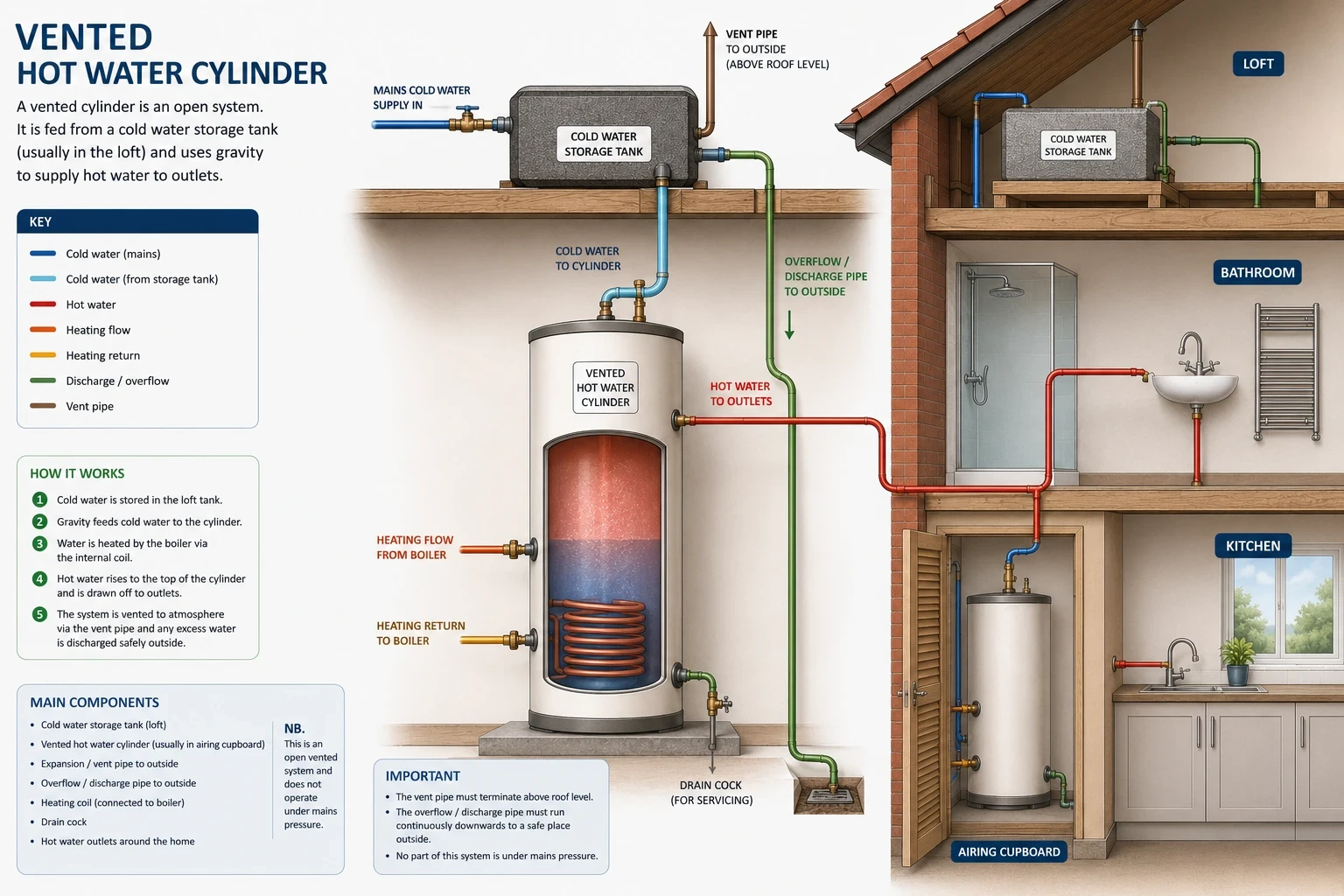
First up, we've got vented cylinders. Think of these as the old-school option – reliable and using gravity to do their thing. They're typically connected to a cold water tank in the loft. There's a classic charm here, but if space is a concern or you want more flexibility with installation, you might want to think again.
The New System
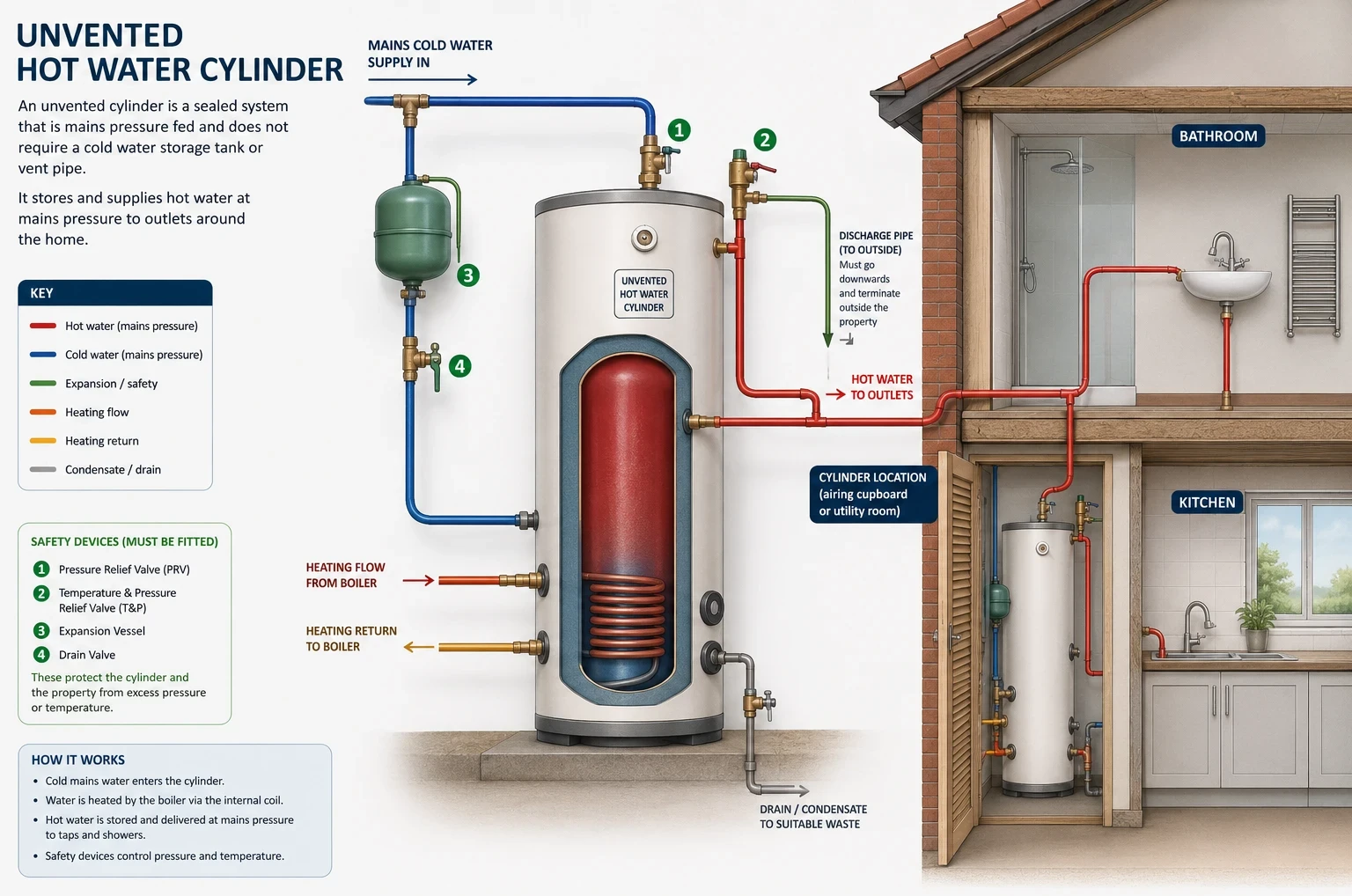
Then, there are the unvented cylinders. These are the sleek, modern ones that don't rely on gravity, making them super flexible in terms of where you can install them. They get cold water directly from the mains, which generally means better water pressure. It's a bit more of an upfront investment, but it brings its own perks like hot, high-pressure showers.
Direct & Indirect
Direct cylinders heat water with an electric immersion heater inside the cylinder. They’re simple but can be costly on the energy bill.
Indirect cylinders, on the other hand, get their heat from boiler-fed coils inside the cylinder. They’re more economical energy-wise, especially if you’ve got a decent central heating system already in place.
heat pump cylinders and solar-compatible cylinders: Heat pump cylinders work well with heat pumps. With larger coils, they capture ambient heat and use it efficiently. Solar-compatible ones harness the sun’s power, which can seriously cut down your energy use and bills over time. Just remember, these set-ups might need a bit more planning and investment upfront but will be most definitely worth it for the right home.
Methods of heating the water
In essence, hot water cylinders serve one main role; they heat and store water until you’re ready to use it. Depending on the setup you’ve got, this process can involve a few different methods.
Immersion heaters:
They’re like the electric kettle for your cylinder. An element heats the water directly in the cylinder, and you can flick it on anytime you need extra hot water. Simple and reliable, but typically a bit more energy-hungry than alternatives.
Boiler Fed:
If you’ve got a setup with a boiler, you’re probably using an indirect heating method. Here, the boiler heats water that travels through a coil inside the cylinder. This heats the stored water without it ever mixing—smart and much more energy-efficient than using electricity alone.
Heat pumps and solar:
Some homes might be using heat pumps or solar panels in the mix. With heat pumps, water gets heated by absorbing ambient air heat, which is energy-friendly. Solar-powered methods use special coils in solar-compatible cylinders, introducing a sustainable edge to harness free heat from the sun itself.
Vented and Non-vented Cylinders
Choosing a non-vented or unvented cylinder is the typical route to take nowadays; most people are choosing to have their water tanks in the loft removed in favour of direct mains-water feed.
Vented cylinders are the tried-and-true classic option. They work with gravity, pulling cold water from a tank, usually up in the loft, to fill up the cylinder. This system is generally reliable and less expensive to install. Plus, they’re fairly simple in terms of plumbing since they’re less reliant on water pressure from the mains. However, if you’ve got limited space or multiple floors, the pressure might not hold up to your expectations.
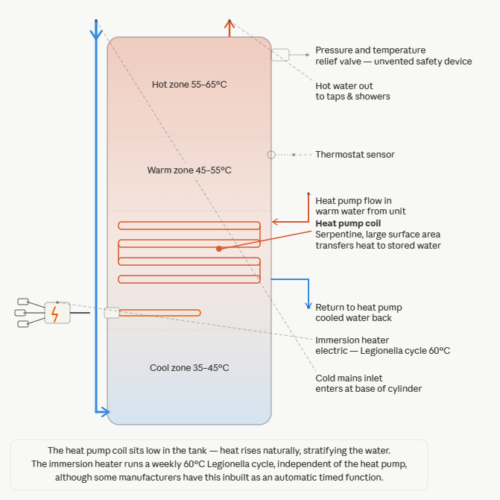
Unvented cylinders are more modern, and they get their water directly from the mains. This usually means better water pressure everywhere in the house, which is a game-changer for people with powerful showers or multiple bathrooms. They don’t need a water tank in the loft, saving space and allowing for more flexibility in where they’re installed. Although initially more expensive, their improved efficiency and pressure often justify the higher cost over time.
Typical unvented layout
Considerations for Your Best Fit
When shopping for a hot water cylinder, it’s easy to feel overwhelmed by endless choices and specifications. But don’t let it get to you. Knowing what to keep an eye out for can simplify your decision and ensure you’re investing wisely by knowing exactly what you need before you begin.
Consider how much space you have and whether you want to deal with alterations to your home. If you’re renovating or building from scratch, unvented systems often become the go-to for modern homes, particularly those in urban settings where space is a premium.
Sizing your options
First up, capacity. You want a cylinder that matches your household’s needs – too small and you’ll be running out of hot water when you want it most, like in the middle of your shower. A rough guideline? About 35-45 litres per person generally covers daily use. Consider how many baths you are going to take, which will need more capacity than showers.
In short, match the system to your home’s needs and future plans. What’s right for your neighbour might not be the best for you, so take the time to weigh the options carefully.
Energy efficiency rating
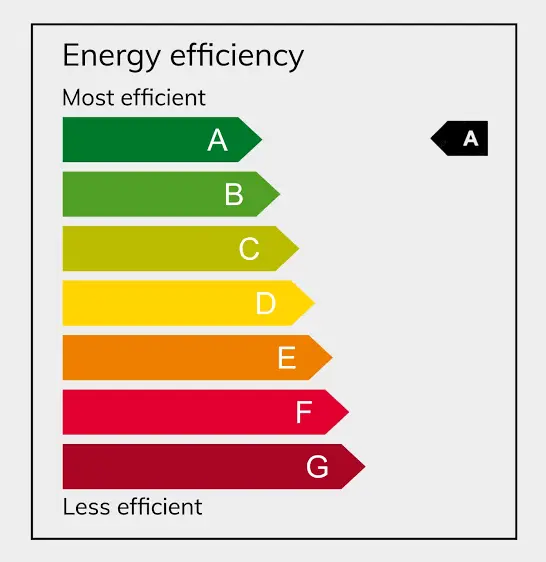
Energy efficiency ratings are another biggie. Today’s models come with energy labels that make it easier to compare how much juice each one uses. Going for a higher-rated model might cost more at the start but can save a lot on energy bills in the long run.
Recovery time is another key factor. This tells you how quickly the cylinder can heat more water after being depleted. If you’ve got a big household or just love long baths, a quicker recovery time is a must.
Then there’s the warranty and brand reputation. A solid warranty can give you peace of mind that you’re covered should things go off track. Likewise, brands that have made a name for themselves often bring reliability into the mix.
Installation Insights: What to Expect
When it comes to installing your new hot water cylinder, getting clued up on the process helps things go smoother. The first thing to know is that fitting a cylinder isn’t exactly a DIY job, especially if you’re going the unvented route. A qualified plumber is your best bet to ensure everything is safe and up to code.
Pre-Installation
Installation generally starts with a thorough assessment. The plumber will find the best place for the cylinder and make sure there’s enough space for proper plumbing. With vented systems, they’ll be eyeing that airing cupboard space for the tank. Unvented ones offer a bit more freedom since they connect directly to the main water supply.
Pricing
Cost-wise, you’re looking at a range. Basic installs for vented systems might sit lower on the scale, while unvented systems usually add a bit extra due to the added complexity and possible alterations. It’s a good idea to get a few quotes to understand the going rate and what’s included.
Timescales
Typically, you’re looking at a day or two for installation. This can vary based on your home’s setup and any unexpected hiccups they might encounter. Yep, sometimes things come up; there could be problems with existing pipes and valves or non-compliant issues, so having a little flexibility in your schedule doesn’t hurt.
Running a Hot Water Cylinder Economically
When it comes down to running costs, the type of hot water cylinder you choose can make a difference in your monthly bills. Different cylinders have their own quirks and efficiencies, so it’s worth having a handle on what impacts those costs.
Good insulation
The insulation of your cylinder is a big player in keeping costs low. Good insulation means the cylinder retains heat for longer, so it needs less energy to maintain the right water temperature. Modern cylinders typically come with high-quality factory-fitted insulation, but if you’ve got an older model, investing in an insulation jacket could help.
Heating sources
Another factor is what type of energy source you’re using. Electric heating through immersion heaters might rack up a higher bill than a gas boiler-fed system. But if you’re on an Economy 7 tariff, where you get cheaper electricity at night, this might tip the scales in favour of electric cylinders – provided you can do most of your water heating overnight.
Alternative heat
Then there’s the setup itself. Heat pump cylinders, for instance, pair well with heat pumps for a system that’s top-notch on efficiency. Similar story with solar-compatible cylinders that draw on sunlight as a free energy source for heating water. Often, these cylinders come with both coils.
Maximising Efficiency and Lifespan
Keeping your hot water cylinder in good nick is key to enjoying reliable hot water and sidestepping any nasty surprises. A bit of regular maintenance goes a long way in extending its lifespan and keeping things running efficiently.
Recommendations
Annual servicing should top the list. A yearly check-up by a professional ensures every part of your system, from the heating element to the thermostat, is in top shape. Sure, it’s an extra cost, but it’s peanuts compared to potential repair bills if things do go south.
Water treatment
In hard water areas, descaling might be necessary. Limescale builds up over time, reducing efficiency, especially in immersion heaters. A good descaling keeps the system functioning smoothly and can be tackled by your local plumber during servicing.
Hot Water Cylinders vs. Combi Boilers
Deciding between a hot water cylinder and a combi boiler can be like weighing apples and oranges. Each has its place in the home, and the right choice depends on what fits best with your needs and lifestyle.
High demand
Hot water cylinders are champions at offering robust hot water supply and are especially handy for homes with multiple bathrooms. They can keep up with the demand for showers, baths, and washing machines running all at once. If you’re in a household where someone is always in the shower, a cylinder could be your best friend.
Smaller homes
Combi boilers, on the other hand, heat water directly from the mains on demand, so you don’t need a storage tank. They’re compact and efficient for smaller homes with less simultaneous hot water demand. However, if you’ve got a big family all vying for the bathroom in the morning, pressure could be an issue.
Regulatory requirements
Beyond practicality, safety and regulations also play a big part in your choice, especially with unvented systems. They need to meet certain building regulations, like Part G in England, and require G3 certification. This makes sure everything’s legit and safe.
Professional installation only
Now, when it comes to installation, trying to cut corners with DIY isn’t the best idea, particularly with unvented cylinders. The risks to property and safety aren’t worth it; a certified installer gets it done right and keeps you on the correct side of the law.