

Navigating the complex world of heating systems can be a tad overwhelming. But with a bit of direction, you’ll see why everyone’s talking about air-source heat pumps and high-efficiency boilers.
There’s more to it than just buying new gadgets. It’s about creating a home that’s smarter, more sustainable, and future-ready.
Table of Contents
- Knowing What's Available
- Harnessing Solar Energy for Your Heating System
- Enhancing Your Home's Heat Retention Efficiency
- Implementing Smart, Zonal Temperature Controls
- Upgrading Your Heat Emitters
- Domestic Hot Water Production Upgrades
- Utilising Government Grants and Schemes
- Actionable Steps to Begin Your Heating Upgrade
- The Future of Sustainable Home Heating
Knowing What’s Available
Modernising your home heating system starts with choosing the right way to generate the heat. Energy saving depends on it. Depending on the age and location of your home, you’ve got several paths to go down. Each offers its own set of perks and challenges.
Heat Pumps
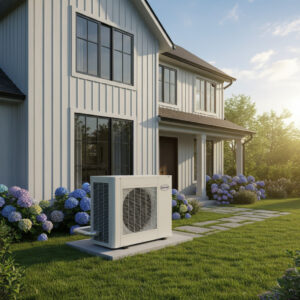
“Take air source heat pumps, for instance. They’re not just a hot topic; they’re setting the standard for modern upgrades. By extracting ambient warmth from the outside air, these heat pumps are like the magicians of efficient heating, operating at up to three or even four times the efficiency of traditional gas boilers. That’s energy savings right in your pocket, all while being a bit kinder to the planet.”
Are gas boilers still an option?
Modern condensing boilers are here to save the day. Unlike their older siblings, which waste a fair bit of energy, these boilers cleverly use exhaust gases to reclaim heat, pushing their efficiency above 90%. Those are numbers anyone can get excited about!
Biomass boilers
Biomass boilers are an alternative to oil and LPG boilers for homes that are off the gas grid and better suited to a more urban environment. They are regarded as carbon neutral and can have big savings by switching from fossil fuels. Modern biomass boilers today are much more automated and can be purchased with smart Wi-Fi controls.
Other boiler types
Electric water heating for those with solar PV panels and battery storage: electric water heaters are another option, simply because of the free electricity generated by the solar panels. These can be set to work alongside the power generation cycle of the solar system.
Going Solar
For the adventurous, there’s the Solar Thermal Integration. This has been an option for many years now; it allows you to gather free solar energy for your hot water system. When combined with heat pumps or condensing boilers, it’s like covering all your bases, ensuring you’re as energy-efficient as it gets.
There are two types of solar thermal systems:
- Flat Plate Collectors: Harnessing the warm air into a refrigerant to be used as a heat source
- Evacuated Tube: Direct heat from the sun to the water inside glass tubes
“Choosing the right generator can feel like solving a complex puzzle, but it’s essential for a successful heating upgrade. Consider what suits your home set-up and long-term goals best, and you’ll be on the right track.“
Harnessing Solar Energy for Your Heating System
Adding solar thermal panels to your heating system might sound like something out of the future, but it’s happening here and now. This technology allows you to capture those golden rays of sunshine and turn them into usable energy for heating your water.
More ways to save
Pairing this solar tech with something like a heat pump or a modern condensing boiler can optimise both devices’ performance. Picture it as team play, each component contributing its part to achieve a seamless, energy-efficient system.
Solar thermal integration is where it’s at. Sure, the upfront installation costs could seem steep, but think of it as planting seeds for future savings. With energy prices always on the rise, tapping into a free source is a smart move.

“Even solar PV panels can divert the sun’s energy to powering an electric immersion heater in your hot water cylinder; this can easily be retrofitted to existing systems to give you free hot water, especially in the summer when the boiler is off and the sun is shining.“
“Going solar isn’t just a passing trend; it’s a sustainable solution that’s here to stay. By embracing this, you’re not only making a savvy financial choice but also stepping up as a responsible homeowner. Good all round for efficiency and sustainability!“
Enhancing Your Home’s Heat Retention Efficiency
Before diving into the world of new modern heating systems, it’s wise to make sure your home is locking in as much heat as possible. Think of insulation as a trusty old sweater for your house; without it, any heat you generate might just wander out into the chilly world beyond.
Keeping the heat in
- Loft and wall insulation are key players here. Upgrading these areas helps ensure that heat isn’t making a hasty exit right after you’ve generated it. It’s all about sealing those sneaky escape routes. An extra layer in the loft or filling up those cavity walls can make a massive difference in keeping warmth where you want it.
- Draught-proofing might sound like a simple fix, but plugging up gaps around windows, doors and floorboards keeps cold air from sneaking in. It’s simply plugging the holes for unwanted draughts.
- Radiator reflector panels: These nifty additions bounce heat back into your rooms instead of letting it seep through to the outside. It’s a small investment with a big payoff when it comes to keeping things warm.
“Optimising heat retention: ahead of your heating modernisation, lay the groundwork for a much more efficient system. It’s all about working smarter, not harder. Make sure your home’s insulation is up-to-date before you turn up the heat in your modernisation plans.“
Implementing Smart, Zonal Temperature Controls
Gone are the days when a single thermostat called the shots for your entire house. Now, smart and zonal controls are here to revolutionise how you manage your home’s heat. With these, you get precision control, room by room, ensuring each area is just right for its specific use.
Control is key
Smart thermostats are the headliners in this scene. They learn your daily routines and adjust temperatures accordingly, even letting you manage everything from a simple app on your phone. It’s like giving your home a brain that’s focused on keeping you comfy without wasting energy.
Thermostatic Radiator Valves (TRVs). These gadgets allow you to set different temperatures in each zone of your house. Want cosy warmth in the living room but a cooler vibe in the bedrooms? Done! These simple add-ons give you that level of control and comfort.
Boiler interlock systems round out your smart setup, ensuring that your heating and hot water systems are in sync. This means the heating system switches off entirely when your target temperatures are reached, saving energy and giving your boiler a much-needed break.
Intelligent, zonal controls: you’re not just automating your heating system; you’re tuning it to your lifestyle. The benefits are clear: a perfectly heated home tailored to your needs and a dip in unnecessary energy consumption.
Upgrading Your Heat Emitters
When modernising your heating, upgrading your radiators and pipework can be a very good move. Modern heat emitters are designed to work with lower flow-temperature systems, along with higher flow rates, which is a must for heat pump systems.
Making them work for you
Radiator upgrades: For example, investing in low-water-content or larger panel radiators means they work more efficiently with systems like heat pumps. They channel water better, delivering heat effectively and swiftly throughout your home. It’s all about optimising performance with your new heat generator.
Underfloor heating (UFH) might just be the game changer you didn’t know you needed. This set-up operates at lower temperatures, making it the ideal companion for renewable heating systems. Besides the radiator-free wall space, radiant floor heat feels like a luxury upgrade in your everyday life.
Magnetic system filter: Don’t forget about the less glamorous but equally vital system filters and pipework. Installing a magnetic system filter catches metal sludge that could muck up your new setup. It’s a minor detail that plays a big role in preserving the efficiency and longevity of your entire heating infrastructure.
“By revamping your heat emitters and infrastructure, you’re setting the stage for a heating system that maximises output and minimises effort. It’s about crafting an efficient home environment that works effortlessly, so make sure these upgrades are part of your heating game plan.“
Domestic Hot Water Production Upgrades
When you’re revamping your home heating, don’t skip refining how you generate domestic hot water. We call it DHW for short. It plays a crucial role in your household’s comfort, yet it’s often left in the background. Let’s bring it into the spotlight.
Hot Water Cylinders
Hot Water Cylinders: First off, there’s the choice between vented and unvented cylinders. Vented ones are typically fed by a cold water tank and are a tried-and-trusted method. Unvented, on the other hand, connects directly to your main water line, offering consistent pressure for a more modern twist. This choice often depends on your current system and future needs.
Think about the sources available for hot water production. Do you rely solely on a boiler, or could there be a mix, perhaps with a heat pump or solar thermal panels? Each source has its distinct benefits, and there’s no one-size-fits-all here. Whether you’re leaning towards staying traditional or opting for a new mix, make sure it’s suitable for your household.
Correct sizing is essential. Choosing the right cylinder size ensures you have plenty of hot water without unnecessary energy consumption. It’s a balance of meeting your needs while not overdoing it, saving resources and money in the long run.
“Exploring these options for domestic hot water production will enhance convenience and boost your entire system’s efficiency. With a careful approach, you’re setting yourself up to enjoy modern comforts while keeping energy waste in check.“
Utilising Government Grants and Schemes
Ready to modernise your home heating but worried about the cost?
There are government grants and schemes that could help lift some of that financial burden. It’s like having a little boost from the government to make your smart home vision a reality.
Getting your project funded
Ever heard of the ECO4 scheme (soon to become the Warm Homes Plan) or the Boiler Upgrade Scheme? These programmes are designed to ease the upfront costs of installing new, energy-efficient heating systems or even make them free. With these, your dream of embracing a more energy-efficient system could be just a phone call away. Click the link below for the know-how.
Know how to apply
Diving into these programmes can sound a bit daunting with all the paperwork and eligibility criteria. But understanding the steps to apply and qualify can open up fantastic opportunities. Think of it as unlocking real potential where grants can help fund your big home project. Find out how by clicking the link below.
Getting expert help
Part of making this process smooth is ensuring you’re working with the right information. Partnering with qualified and certified installers is crucial. Experts, like those who are Gas Safe registered or MCS-certified for heat pumps, can steer you in the right direction, ensuring everything goes off without a hitch.
“Exploring these grants and schemes isn’t just a savvy financial move; it’s about optimising what’s available to give your home the best possible upgrade. Tapping into these funds can turn your heating upgrade from a dream to something much more tangible and within reach.“
Actionable Steps to Begin Your Heating Upgrade
Now it’s time to plot the course. This journey isn’t something you need to tackle alone; consultation with heating experts can be your guiding star. They bring invaluable insights to the table, helping you map out a game plan that syncs with your home’s specific needs.
Heating Upgrades Roadmap
Creating a phased plan can save you from decision fatigue and financial strain. Think of it as breaking down your upgrade into manageable chunks. Start with the most pressing needs or easiest wins, like improving insulation or upgrading controls. This step-by-step approach ensures you’re not overwhelmed and allows for flexibility as new tech and ideas come into play.
Scheduling installations ahead of time keeps you on track and minimises disruption. It’s all about timing and working with your installer to fit upgrades into your calendar smoothly. This way, you know what to expect and can prepare your home ahead of each update without surprises.
Anticipate timelines and manage expectations: things can sometimes take longer than planned. Whether it’s waiting for permits or dealing with unexpected renovations, stay adaptable and in communication with your installer. Flexibility is key, and being prepared mentally and logistically can make all the difference. Be assured that trusted installers will want the project finished on time as much as you.
“By laying out these actionable steps, you’re setting yourself up for success in your heating upgrade. It’s about making informed choices and taking steady strides towards a more efficient, cosy home. From consultation to execution, every step brings you closer to that end goal.“
The Future of Sustainable Home Heating
So here we are, wrapping up this roadmap to modernise your home’s heating system.
It’s been a journey of exploring new tech, planning for efficiency, and understanding how each piece of the puzzle fits together. The benefits of these upgrades aren’t just numbers on an energy bill; they’re about comfort, sustainability, and transforming your house into a model of modern living.
By investing in a future-proof heating system:
You’re not only setting yourself up for lower energy costs. You’re doing your part for the environment, cutting down on carbon emissions and making your home a more pleasant place to be. It’s about looking ahead and making choices that resonate for years to come.
As technology advances, so do the possibilities:
For even greater efficiencies and innovations. Staying informed and adaptable will keep your heating system at the forefront of these developments. Who knows what cool gadgets or smarter solutions lie just a few years down the road?
Encouraging this kind of investment:
It’s not just about the immediate payoff; it’s about embracing a shift towards a more sustainable future. Each decision, from choosing equipment to optimising performance, builds a stronger foundation for an eco-friendly home.
“So, as you embark on this exciting venture, hold onto the vision of what you’re working towards: a home that’s warm, welcoming, and wise with its resources. That’s a future worth heating up to. Please feel free to share your thoughts below.”