
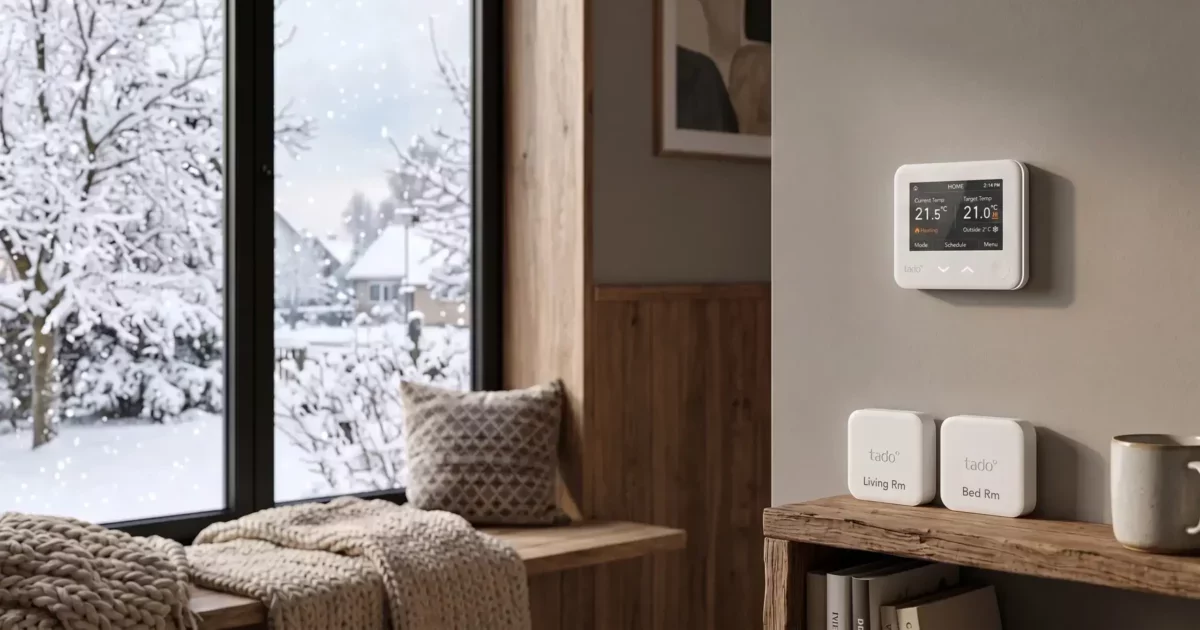
Sustainable home heating aims to use less energy overall and taps into cleaner sources. Smart home technology adds in automation and remote controls, really giving efficiency a boost. This combination is practical, since it matches heat output to what’s needed, so you’re not turning on the heat when no one’s home.
This guide will show how these systems do more than just keep you warm. They are changing how our homes use energy, slashing costs, and fitting right into modern lifestyles.
This idea covers:
- Electric radiators
- Smart thermostats
- Zoned heating systems
- Electric fires
Electrical Products That Make Heating Smarter
Electrical products have completely changed home heating. You don’t have to choose central heating every time for comfort. Here are a few electrical options that are shining in real homes:
- Smart Thermostats: Brands such as Hive, Nest and tado° let you control heat from your phone or with your voice. These devices track your patterns and adjust heating when you’re away or asleep.
- Electric Radiators: Models like Dimplex QRad and Rointe Kyros are wall-mounted, controllable over apps, and heat up rooms quickly. You can put them anywhere with a power outlet, and they’re great for instant warmth.
- Modern Electric Fires: Built-in electric fireplaces add visual appeal and can be controlled remotely or set to a schedule. Many offer eco modes, so you can get that cosy feeling without wasting electricity.
- Smart Plugs & Sensors: These smart accessories pair with heaters or electric blankets. They’re ideal if you want to automate just one room before upgrading the whole house.
- Smart Meters: A handy device like a smart meter, maybe sitting on your table, lets you see your energy use in real time. I was surprised by how fast I started spotting wasteful habits after watching my energy numbers rise.
Getting Started with a Greener Heating Setup
- Seal Drafts: Good insulation and sealing up drafty windows and doors save more energy than any fancy gadget. Even the best heater wastes energy if your house lets all the warmth out.
- Smart Controls: Replacing an old thermostat with a smart one is a quick, DIY upgrade that usually pays off fast.
- Zone Your Heating: Zoning can focus heat where you’re spending time, like just the bedroom at night or only the living room during the day. This targeted approach saves a lot of energy, especially in larger homes.
- Choose Efficient Appliances: When buying new electric heaters or fires, check the energy label and go for models with timers and economy modes built in.
Integrating Smart Heating with Solar Power and Batteries
Teaming up smart heating systems with solar panels is next level. If you have solar panels, electric radiators and fires are even more appealing since you’re using your own clean energy. Here’s how this duo looks in action day to day:
- Direct Solar Use: Smart gadgets can switch on when solar panels are producing plenty of power, warming rooms with free energy instead of pulling from the grid.
- Storing Excess: If your home includes a battery (such as a Tesla Powerwall or similar), leftover energy is stored away for nights or cloudy days. Smart heaters can use battery power first, helping to slash your electricity bills and providing backup in an outage.
- Smart Scheduling: Many thermostats and radiators work with solar forecasting apps, so you can schedule them for maximum effectiveness.
Common Challenges and What to Look For
- Upfront Cost: Smart devices and professional setup can add up. However, prices are going down, and local rebates or incentives can help; a quick check with your energy supplier can pay off.
- WiFi Dependence: A strong wireless signal is key for remote controls and scheduling. When I added multiple smart devices, my router got an upgrade to reach every corner.
- Compatibility: Not every heating device works with every app or smart assistant. Planning ahead and checking for compatibility makes life simpler during upgrades.
- Electrical Load: If you add several new electric heaters, some homes, especially older ones, may need a small electrical update to keep everything running safely.
FAQs
Question: Can I use smart electric radiators in rooms without existing radiators?
Answer: Definitely! Most electric radiators need only a regular wall socket and can be set up in places without existing heating. Just be sure the circuit can take the extra load.
Question: How do I link smart heating to my solar panels?
Answer: Most smart heating devices connect with solar via compatible apps or home automation tools like Google Home, Samsung SmartThings, or Apple HomeKit. With a little setup, your heat can turn on when there’s solar energy flowing.
Question: Do smart meters really help with saving energy?
Answer: In my experience, yes. Being able to see energy use in real time makes you more aware, so you’re likely to turn down the heat sooner or catch energy wasters you never noticed before.
Features That Make These Products Worth Considering
- GeoFencing: Smart thermostats can turn your system on or off automatically when you leave or get home, so you never waste energy heating empty space.
- Learning Algorithms: Devices pick up on your preferences and adjust schedules, so your home feels just right before you ask.
- Voice Control: Most new devices work with Alexa, Google Assistant, or Siri. Just ask for warmth without leaving your spot on the couch.
- Detailed Reports: App dashboards show which rooms use the most power and offer tips for trimming waste, handy for tracking your ongoing savings.