
Improving your home’s energy efficiency can make a major difference for both comfort and your monthly bills, not to mention the planet. For UK residents, insulation performance improvement grants are a practical way for families to make their homes warmer and more cost-effective—without absorbing the entire cost of new insulation themselves.
Navigating the available options and eligibility rules isn’t always simple, so in this guide, I’ll break down the key schemes, show you who qualifies, and share crucial details on how these grants actually work.
Table of Contents
- Understanding UK Insulation Grants in 2026
- Energy Company Obligation 4 (ECO4)
- Warm Homes: Local Grant
- Devolved Nation Schemes (Scotland, Wales, Northern Ireland)
- 0% VAT on Insulation (and related upgrades)
- Practical Tips Before Applying
- Frequently Asked Questions
- What to Expect and Next Steps
Understanding UK Insulation Grants in 2026
Insulation grants aim to help households bump up their home’s energy performance. Better insulation reduces heat loss through the roof or walls, which means your heating system works less, your home stays warmer, and your bills shrink.
Government support has gone through several phases, and right now it includes both obligations from energy suppliers and direct grants given out by local authorities. Some schemes are nationwide; others are run by your local council or devolved government. Each brings different benefits depending on your individual circumstances.
Typically, these grants cover popular insulation measures—loft insulation, cavity wall insulation, and, in some cases, pricier options like solid wall or underfloor insulation. More recently, when homes need a broader boost, grants will also fund heat pumps or solar panels as part of a package.
As government priorities step up, grant availability has kept evolving, moving from energy supplier obligations towards direct, council-run grants. Staying up to date is key if you want to make the most of what’s on offer right now.
Energy Company Obligation 4 (ECO4)
ECO4 is currently the main route for low-income households to have insulation upgrades, heat pumps, or solar panels funded. Bankrolled by energy suppliers, ECO4 runs until 31 December 2026. After that, a direct replacement isn’t expected, with the focus moving to targeted grants from councils. For now, ECO4 remains the broadest national insulation scheme for those who qualify.
- Who qualifies: Households on means-tested benefits like Universal Credit, Pension Credit, ESA, or Income Support. Your home also needs an EPC (Energy Performance Certificate) rating of D, E, F, or G.
- LA Flex route: Local Authority Flexibility (LA Flex) lets councils make up their own eligibility rules for ECO4. Not on benefits but have a household income between £31,000 and £38,000? Check your council’s website for details and see if you fit.
- What’s covered: The grant funds a package approach. You could get multiple upgrades funded together—cavity wall, loft, underfloor, solid wall, or roof insulation. Sometimes, heat pumps and solar panels are included as well for homes needing more change.
To apply for ECO4, reach out to accredited installers, your energy provider, or your local authority to get started. Track down further details and up-to-date eligibility information on GOV. UK Energy Company Obligation
Warm Homes: Local Grant
The Warm Homes: Local Grant is the freshest direct government scheme created to smooth the way and open up insulation support for more people. It covers up to £15,000 per home for insulation work and sometimes heating upgrades like air-source heat pumps. Unlike ECO4, eligibility focuses mainly on income or EPC band rather than benefits. The grant has a budget of £500 million (2025–2028) and is central to a huge £15 billion Warm Homes Plan aiming to upgrade up to 5 million homes by 2030.
- Eligibility: You can apply if your household income is below £36,000, or your home’s EPC is D, E, F, or G. The grant depends on being in a council area that’s participating, since each local authority gets its own budget chunk and sets its own funding rules.
- What’s covered: Usual measures include loft, cavity wall, and external solid wall insulation. Sometimes, grants help pay for heating upgrades—especially useful if you plan to set up a heat pump, as proper insulation will be needed first.
- How to apply: Application methods and what’s funded vary widely by council, so check your local authority’s website or visit sites like Ecohomecheck to track down your area’s current rules.
- England only: Right now, Warm Homes: Local Grant is only available in England; Scotland, Wales, and Northern Ireland have their own setups (see the next section).
With individual councils setting their priorities, some may offer full insulation packages while others might put more weight on pairing insulation with new heating systems. Keeping an eye on local info and being proactive is crucial, since grants run out quickly once the council’s budget is used up.
Devolved Nation Schemes (Scotland, Wales, Northern Ireland)
Every UK nation runs its own major insulation grant or support programme. If you’re outside England, your options change a bit:
- Scotland – Home Energy Scotland: Offers both grants and interest-free loans for insulation, home heating improvements, and renewables. Check all application details at the Home Energy Scotland website.
- Wales – Nest Warm Homes Program: Covers costs for new boilers, insulation, heat pumps, and solar panels for eligible households. Get details and forms from the Nest Warm Homes resource.
- Northern Ireland – Affordable Warmth Scheme: Offers grants for home insulation upgrades. More information and contact numbers are found on NI Housing Executive.
0% VAT on Insulation (and related upgrades)

Since April 2022, there’s no VAT on insulation, heat pump, or solar panel installations in the UK.
This zero-VAT perk applies even if you pay for installation or materials yourself, without using a grant. The price you’re quoted by an installer is the full bill—no extra VAT tagged on. That makes it easier to afford better insulation, whether you’re using a grant or topping up with your own funds.
Practical Tips Before Applying
Based on what I’ve seen, getting approval for insulation funding goes more smoothly if you first gather your household income details and your home’s most recent EPC rating.
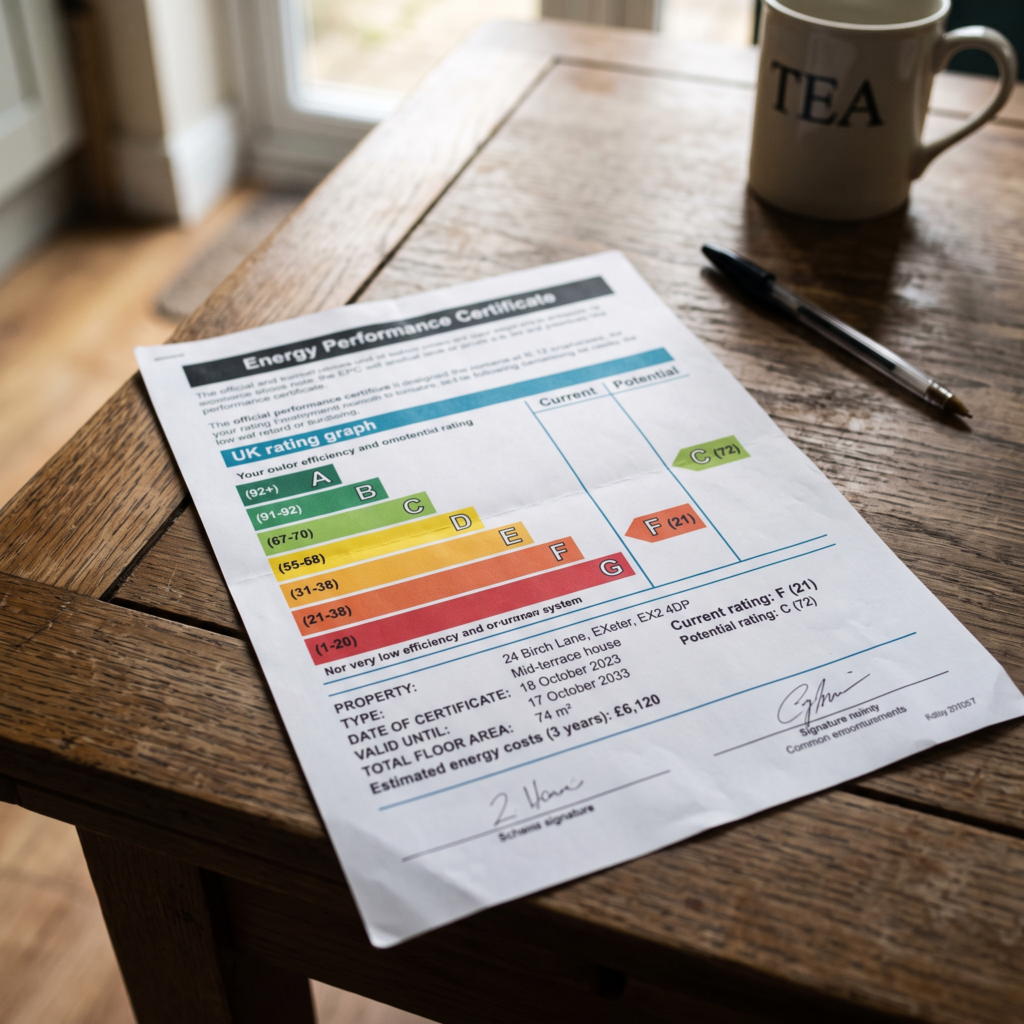
Find out if your council participates in the Warm Homes: Local Grant. This will help you spot which schemes or routes you can actually use in your area. Some websites like Bestbuilders regularly post updates on locally active grant opportunities.
If you want to install a heat pump, remember that having modern insulation is often a requirement before any heating system is funded. Insulation is vital because upgrades to your heating only truly shine if your home is already energy efficient.
Frequently Asked Questions
Question: Can I get a grant if I’m not on benefits?
Answer: Through LA Flex or the Warm Homes Local grant, low-income households who aren’t receiving benefits may still qualify. Always check your council’s latest eligibility rules for confirmation.
Question: Can renters apply for insulation grants?
Answer: Grants are open to both homeowners and some private renters—you’ll just need your landlord’s sign-off. Social tenants may have upgrades arranged directly by their housing association.
Question: Can I get both insulation and a heat pump installed under one grant?
Answer: Yes. Many new council-run grants offer both together if your home needs them, making it easier to future-proof your home’s heating.
What to Expect and Next Steps
Government focus is moving more towards local and direct funding, with less emphasis on big energy supplier schemes. Acting fast can help you secure funding before your council’s budget runs dry, as many close their schemes when the money is spent.
Carefully size up your eligibility, keep an eye on your local council’s updates, and start any grant applications as early as you can. Remember, well-installed insulation gives a boost to comfort, keeps extra cash in your pocket in the long run, and the right grant can pay for most, or even all, of your upgrade costs.