

Choosing the right heating system for your home really matters. Heating affects comfort, energy bills, and even the environment. For most homeowners, the main options are heat pumps or traditional boilers. After years of studying and comparing these systems, I’ve seen how deciding between them can feel overwhelming.
"In this guide, I'll break down the main characteristics, advantages, and energy performance of both heat pumps and boilers so you feel more confident making your choice."
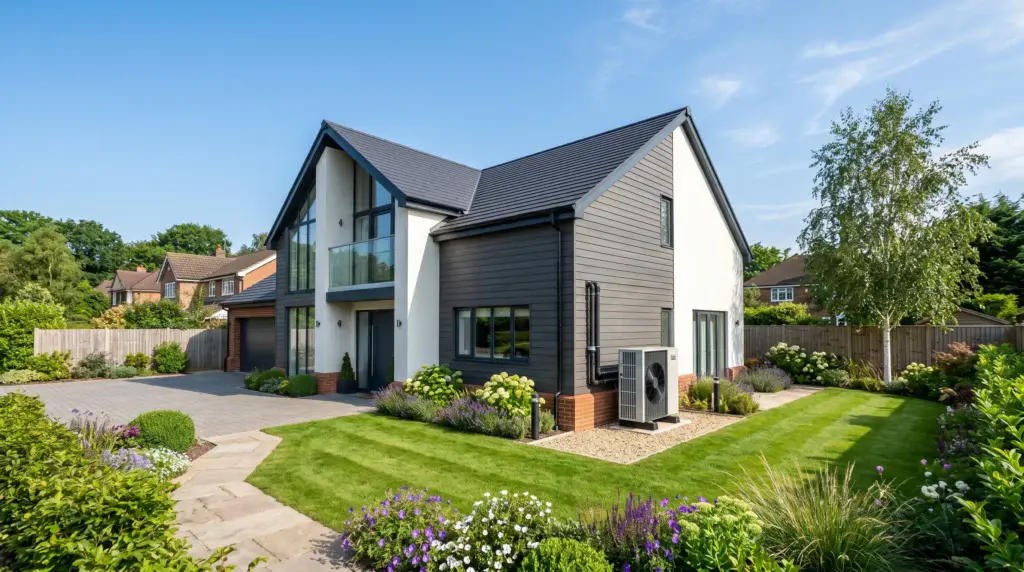
Many people hold the view that the air source heat pump itself is a little unsightly, yet with some simple colour coordination and some clever positioning, it can blend in seamlessly.
Table of Contents
- Comparing Heat Pumps and Boilers
- Advantages of Heat Pumps Over Boilers
- Energy Efficiency of Heat Pumps vs. Boilers
- Things to Consider Before Choosing
- Best Heat Pumps for Modern Homes
- FAQ
- Making Your Choice: Heat Pumps vs. Boilers
Comparing Heat Pumps and Boilers
When comparing heat pumps and traditional boilers, there are four key factors I always consider: how they work, what fuels they use, how quickly they heat, and the types of homes they’re best suited for.
- How they deliver heat: Heat pumps provide steady, lower-temperature heat. Boilers usually send powerful bursts of high-temperature heat, which many people enjoy for that instant feeling of warmth.
- Fuel type: Heat pumps run on electricity, which can be sourced from renewable energy. Boilers mainly depend on fossil fuels, creating carbon emissions.
- Response time: Heat pumps work more gradually, which suits well-insulated homes. Traditional boilers heat a space quickly, so they’re often chosen for homes that need faster reheat times, as in older and less well-insulated properties.
- Best fit: Heat pumps shine in newer or recently upgraded homes with proper insulation and airtightness. Boilers can still be a practical fit for older buildings that lose heat quickly or where upgrading the insulation is tricky or costly.
Advantages of Heat Pumps Over Boilers
“From my research and experience, heat pumps are appealing due to their lower energy use and reduced environmental impact. Here are the big benefits heat pumps have compared to traditional boilers:“
- Higher Efficiency: Heat pumps move heat rather than generate it. This means they can deliver three or more units of heat for every unit of electricity used, outperforming most boilers.
- Lower Carbon Footprint: With electricity, especially from a green tariff or home solar, heat pumps cut carbon emissions much more than a gas or oil boiler.
- Heating and Cooling: Many heat pumps can cool in summer as well as heat in winter, making them a flexible choice for changing climates.
- Cheaper to Run: With the right set-up, heat pumps often lower heating bills. Even if electricity costs more than gas, its efficiency means you use less power overall.
Energy Efficiency of Heat Pumps vs. Boilers
Efficiency really impacts both heating bills and your home’s effect on the planet. Here’s what I’ve learned about how heat pumps and boilers measure up.
Heat Pump Efficiency Ratings: Heat pumps are rated using the Coefficient of Performance (COP), which shows the ratio of heat output to electricity input. A COP of 3 means you get 3 kWh of heat per 1 kWh of electricity.
There’s also a seasonal version, SCOP (Seasonal Coefficient of Performance), which is more realistic year-round. Top heat pumps reach SCOP values over 4 in mild areas, which is eye-catching for efficiency fans.
Boiler Efficiency Ratings: Boilers use the Seasonal Efficiency of Domestic Boilers in the UK (SEDBUK) scale. New condensing boilers can be above 90% efficient—still, some energy is lost as heat. Older boilers might dip below 70% efficiency.
“When you stack up heat pumps and boilers side by side, heat pumps clearly pull ahead. Energy Savings Trust research points out that a modern heat pump could use up to 70% less energy than a typical older gas or oil boiler.“
Things to Consider Before Choosing
Every home and situation is different, so what’s perfect for one household may not be for the next. These are the factors to keep in mind before settling on a system:
- Home insulation: Heat pumps thrive in well-insulated spaces. If a building is leaky, you might not get enough warmth and may see higher bills.
- Installation cost: Heat pumps, especially those using ground sources, cost more upfront. Boilers usually come cheaper but are now becoming a target for regulation.
- Space: Air-source heat pumps need outdoor space and good airflow. Ground-source pumps require a large area of clear ground for pipes.
- Hot water needs: Both deliver hot water, but heat pump setups often require larger hot water cylinders, which can take up more room for big families.
- Fuel access: Heat pumps only need electricity. Boilers rely on steady gas, oil, or LPG, which may limit options depending on your area.
- Maintenance: Heat pumps have fewer moving parts and usually need less upkeep than old boilers, but both run better with regular service checks.
Best Heat Pumps for Modern Homes
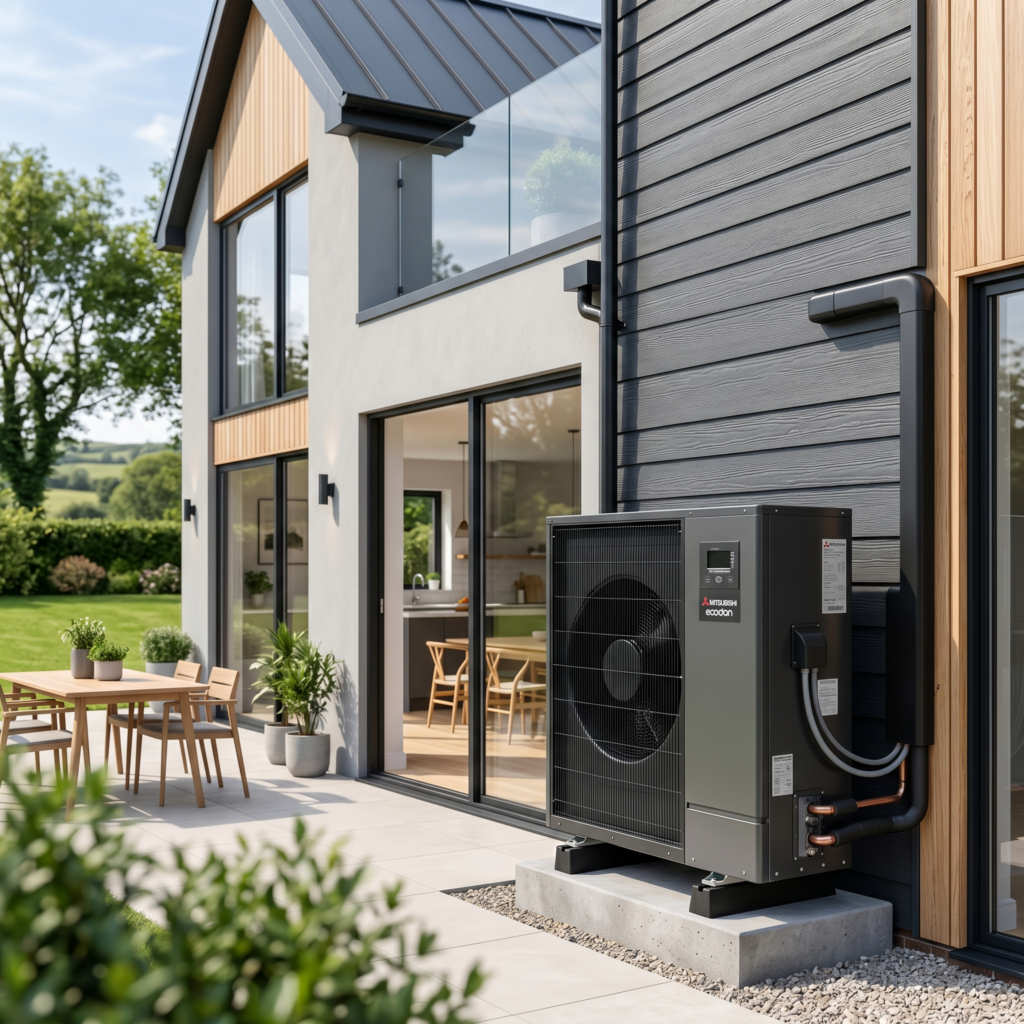
If you are looking at a new build or updating a well-insulated home, air-source heat pumps make a smart choice. I often suggest models like the Vaillant, Heliotherm, or Stibel. known for quiet running, reliability, and high SCOP ratings. The installer will help size the unit for your home to get the best efficiency and comfort.
If you want even higher efficiency and have enough space, a ground-source heat pump (sometimes called a geothermal heat pump) is worth checking out at Heliotherm. These use the steady temperature underground year-round for efficient heating or cooling.
FAQ
Here are some of the most frequent questions homeowners raise when deciding between these two heating solutions:
Is a heat pump really cheaper to run than a boiler?
Usually, yes. Over the years, running a heat pump costs less, especially as green electricity grows and prices vary. The actual savings depend on your insulation, local energy prices, and your heating habits.
Can a heat pump keep my home warm in very cold weather?
Modern heat pumps work much better in chilly climates than older models. Many run efficiently even when temperatures dip below -15°C (5°F). In places with harsh winters, a backup heater or hybrid setup can be considered.
Do I need to change my radiators for a heat pump?
It’s possible. Because heat pumps provide lower-temperature heat, bigger radiators or underfloor heating works best. Smaller, older radiators might struggle. Have a heating professional check what will fit your home.
Are heat pumps noisy?
Most pumps run quietly, especially with a good installation. You may hear a soft humming outside, but there’s little noise indoors.
Making Your Choice: Heat Pumps vs. Boilers
Choosing the best system depends on your goals, initial cost, operating bills, impact on the environment, and how the system fits your daily life. If lowering utility bills and shrinking your carbon footprint are priorities, a heat pump is a strong option, especially for modern homes with good insulation.
Boilers aren’t out of the game just yet. In some older houses or areas where electricity is pricey or supply is limited, a boiler could be the only option. But as governments push for green upgrades and technology keeps improving, heat pumps are fast becoming the heating choice of tomorrow.
“If you’re still on the fence, read up on independent guides or ask a certified heating engineer for advice. Careful research helps you choose wisely. The heating system you select now will make a difference to your comfort and wallet for many years to come.“