
This page contains affiliate links. If you get a quote through them, I may earn a commission, at no extra cost to you. How this site earns money.
Gas boilers remain a go-to for homes that need reliable heating and hot water. With decades of steady use behind them, they offer efficiency, consistent performance, and upfront costs that suit many budgets.
This guide will help you to decide on whether to upgrade a gas boiler, including where they fit, concerns buyers face, and what other heating options may well be better alternatives.
The Advantages of Gas Boilers for Home Heating
Most homeowners and landlords stick with gas boilers because of their blend of performance and value. A gas boiler, when properly installed and serviced, can efficiently pump out enough heat and hot water for even large family homes. The practical benefits often outweigh the drawbacks for many households and people, at least for now!
Why are they still popular?
- Reliable Comfort: Gas boilers steadily deliver heat and rarely fail if you keep up regular maintenance. They can heat to high temperatures for effective radiator outputs.
- Cost-Effective to Run: Mains gas is usually less expensive per kWh than electricity, oil, or LPG. This means lower heating bills for many households.
- Upfront Costs: The price of purchasing and installing a new gas boiler is competitive compared to many alternative options, like heat pumps.
- Easy to Install: For homes that already have a gas boiler, a new gas boiler installation is a simple operation compared to other, more sustainable options.
Many homes across the UK and Europe rely on gas boilers as their main heating system. Even in places with very cold weather, these systems can handle high demand without any hassle. For those on a tight budget, replacing a gas boiler often makes more sense than overhauling the entire heating setup.
How Gas Boilers Work and What to Expect
A gas boiler heats water by burning natural gas or LPG, then pushes that hot water through radiators, underfloor heating, or taps for baths and showers. The systems are pretty straightforward, and most heating engineers can service or fix them. Most models are now “condensing” types, which reuse heat in waste gases to make them more energy efficient.
- Combi Boilers: Supply heat and hot water directly, without a hot water storage cylinder. These are a typical choice for smaller homes and flats.
- System Boilers: Work with a separate hot water cylinder. They are a fit for larger households needing lots of hot water at once or those that have more people in the home demanding higher hot water usage.
- Regular (Conventional) Boilers: Found in older homes with traditional setups; these use both a hot water cylinder and a cold water storage tank, usually fitted in the loft.
The average gas boiler lasts around 10 to 15 years with annual servicing. Many manufacturers include solid warranties, though it’s wise to check the details. Efficiency is measured as a percentage. Most modern condensing models hit 90% or more under regular use, so hardly any energy is wasted compared to outdated models.
Where Gas Boilers Fit Best
Gas boilers make sense in areas with access to mains gas and standard radiator systems. The infrastructure is usually already there, so swapping an old boiler creates minimal fuss. They’re also a convenient solution for:
- Landlords wanting a quick, simple upgrade for a rental property
- Families needing instant hot water and strong shower pressure
- Homes with bigger heating demands, such as older, less insulated buildings
However, times are changing as policies push for greener solutions. Some regions now bar gas boilers in new homes. If you’re renovating or building from scratch, it’s smart to check the latest regulations and consider future running costs.
Alternatives Worth Checking Out
Gas boilers aren’t the only option. A handful of newer and established technologies provide both heating and hot water, and some can help trim your carbon footprint.
- Air Source Heat Pumps: Use outside air to heat your home. They operate on electricity, run more efficiently than old electric heaters, and can cut greenhouse gas emissions if you use renewable power sources.
- Ground Source Heat Pumps: Similar to air source pumps, but they use underground pipes. These cost more to install but run economically over time, performing best in well-insulated homes with decent garden space.
- Electric Boilers: Simple and compact compared to gas boilers, but electricity prices can raise running costs, unless you have solar panels or access to lower and advantageous tariffs.
- Biomass Boilers: Burn wood pellets, chips, or logs. While not as clean as heat pumps, they’re a renewable alternative for homes off the gas grid.
Downsides and Restrictions You Should Know
Gas boilers have some drawbacks that are getting more attention these days. These include environmental impact, shifting regulations, and energy price volatility.
- Environmental Impact: Every time a boiler runs, it gives off carbon dioxide (CO₂). Even though modern gas boilers are more efficient, heating still creates a hefty share of household emissions.
- Fossil Fuel Dependency: Gas is a non-renewable resource. Supplies may get tighter, or prices may jump if global energy markets mix things up.
- Future Restrictions: There is no ban on replacing a gas boiler in an existing home, but new homes built from 24 March 2027 will effectively need low-carbon heating under the Future Homes Standard. Anyone installing a new boiler now should still weigh up future gas prices and how buyers may view gas heating when the home is sold.
- Energy Prices: Gas prices can be unpredictable, especially during global conflicts and supply crunches. It’s generally more affordable than electricity, but savings could fade in the years ahead.
How to Step Up Your Gas Boiler’s Performance
If you already have a gas boiler or are sticking with one for now, there are practical ways to run it efficiently, save money, and put off a big replacement.
- Book an Annual Service: Routine checks can spot small issues before they get worse. Always use a certified Gas Safe engineer for safety and peace of mind.
- Check Your Controls: Make use of room thermostats, programmable timers, and radiator valves so you’re only heating the rooms you need when you need them.
- Insulate your pipework as well as your home: Good insulation keeps heat inside and bills down, letting you take full advantage of your boiler.
- Fix Leaks and Bleed Radiators: Cold spots or slow-heating radiators usually point to air locks or leaks; fixing these can improve your setup without big upgrades.
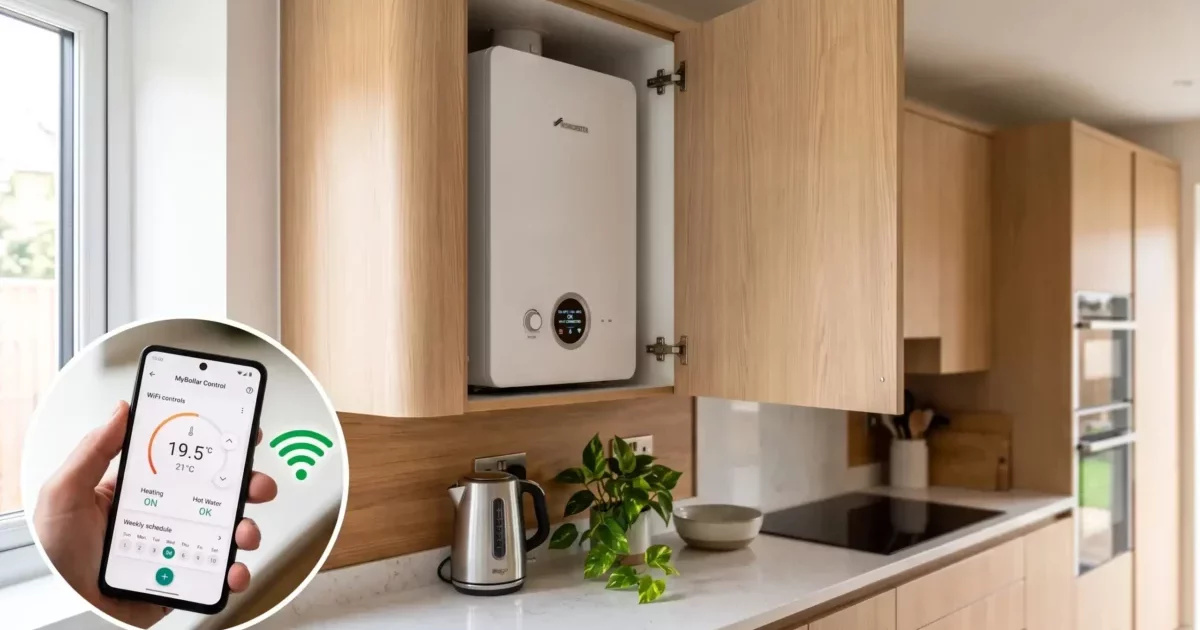
Consider smart thermostats and controls; these let you fine-tune heating schedules and temperatures by room, helping you to cut waste and run your boiler more efficiently and therefore saving on bills.
Common Questions About Gas Boilers
Q: Is it worth upgrading to a new gas boiler if mine still works?
A: Upgrading makes sense if your current boiler is over 10–12 years old. Newer models are safer, use less energy, and save you more on bills; plus, you can lower your carbon footprint.
Q: Will I be able to buy a gas boiler in the future?
A: Yes, in an existing home. The government dropped its planned 2035 phase-out, so you can still repair or replace a gas boiler. New homes are different: from 24 March 2027 the Future Homes Standard effectively rules out gas boilers in new builds.
Q: Are heat pumps or electric boilers better than gas?
A: Heat pumps are ideal for well-insulated homes and are more efficient, though they cost more to install and may require new radiators. Electric boilers are compact and simple to install but tend to be pricier to run, unless you’re using cheap renewable electricity. Always compare running costs and how well each alternative suits your home’s insulation and layout.
Q: Can I run a gas boiler with solar panels?
A: Not directly. Gas and solar PV are separate systems, but solar power cuts down overall electric use, which means you can lighten the load on your boiler or install a smaller replacement down the road. Solar panels can direct the power they produce to an immersion heater in a hot water cylinder so that the boiler is mainly concerned with heating.
Ready for a price?
Get a fixed-price boiler quote online
iHeat fits Worcester Bosch, Vaillant, Viessmann and Ideal boilers across the UK, with installation as soon as the next day and 0% finance on selected models. The online quote takes about 60 seconds.
Get my iHeat quoteInstaller’s tip: get a quote from a local Gas Safe engineer too, so you can compare. If you go ahead through this link I may earn a commission, at no extra cost to you.
How to Future-Proof Heating Choices
Thinking about heating from both cost and climate angles is the key to smart planning. If you want gas for now but might swap later, building your system to take different heat sources, such as low-temperature radiators or underfloor heating, avoids costly work down the line when you want to switch to a heat pump or any other new technology.
- Price insulation upgrades and modern controls before splashing out on a replacement boiler. There are many ways to insulate your home better and control the system you already have in a more efficient way.
- Stick with brands that have great aftercare. A strong warranty and reliable parts supply are increasingly important as energy rules change.
- Consult local heating engineers about what’s coming up in your area. Their hands-on know-how about various homes, grants, and rule changes is valuable for making smart decisions.
- Stay informed with impartial sources like the Energy Saving Trust and official government announcements on energy standards and incentives.