
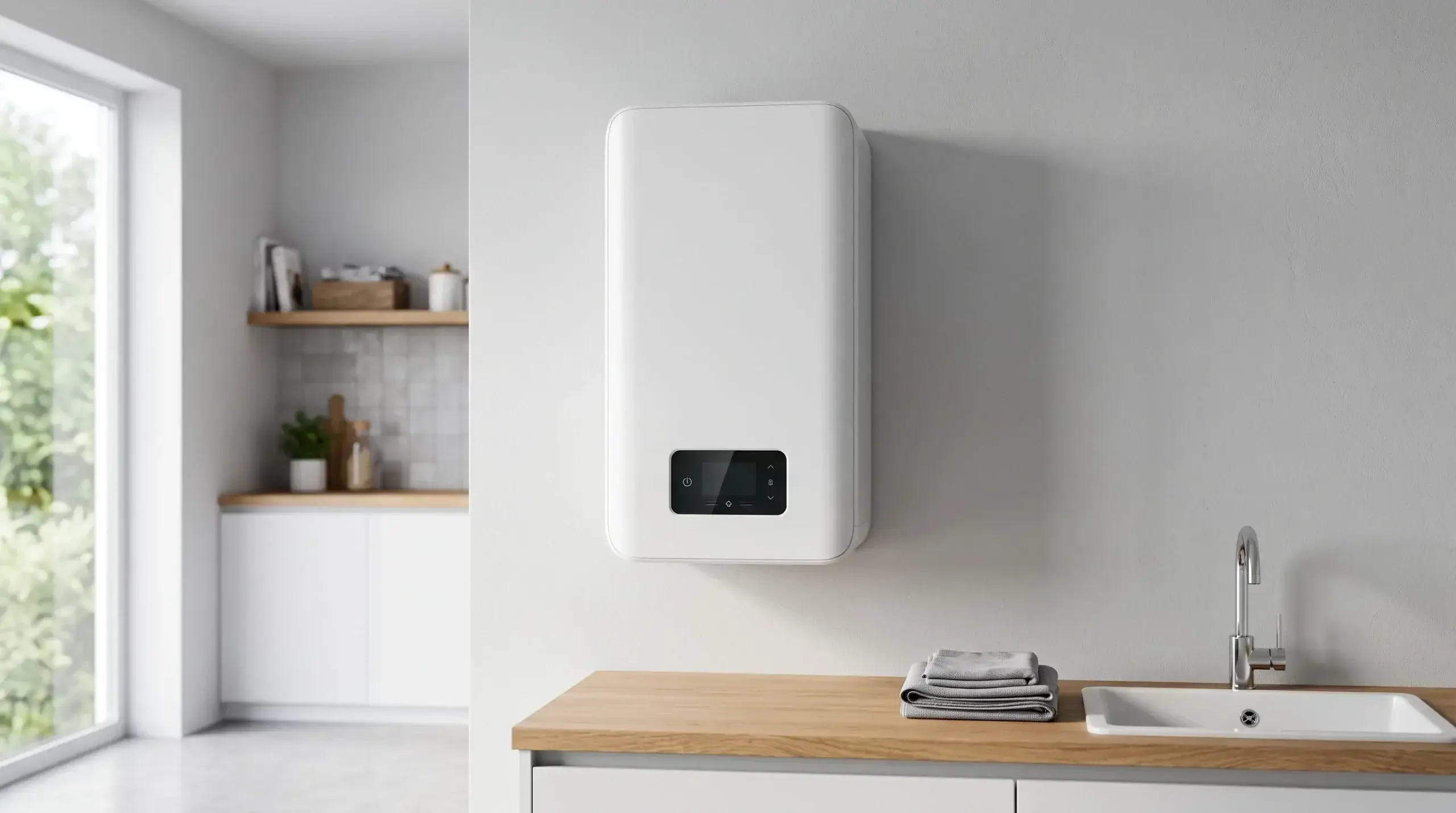
If you are replacing an old gas boiler in a one- or two-bed flat, an electric boiler is the cheapest and quickest thing to fit. It is also usually the most expensive heating to run, and in a rented flat the tenant pays that bill. Whether an electric boiler for a rental property makes sense depends on how much heat the flat needs, who pays the bills, and what your EPC assessor says about the rating.
Electric boiler in a rental flat: the short answer
- Cheap and quick to fit: no flue, no gas, often a day or two in a void period.
- Expensive to run: electricity costs several times more per kWh than gas, and the tenant pays.
- Check the electrics first: it usually needs a dedicated circuit, and an older consumer unit may need replacing.
- Ask an assessor before you buy: it can lower the EPC rating, which matters with band C due by 2030.
- Best for: small, well-insulated, mid-floor flats where gas or a flue is not an option. Elsewhere, insulation or a heat pump usually wins.
What an electric boiler is, and what it replaces in a small rental
An electric boiler heats water using resistive elements, in the same way a kettle does. That water feeds your existing radiators and, depending on the model, either a hot water cylinder or the taps directly. It is a like-for-like swap for a gas boiler. The pipework, radiators and thermostat stay where they are.
Two types are common in small flats. A system electric boiler heats the radiator circuit, and a separate cylinder holds the hot water. An electric combi does both in one unit and gives hot water on demand, though instantaneous hot water draws a lot of current, so the size of the electricity supply to the flat limits what you can fit.
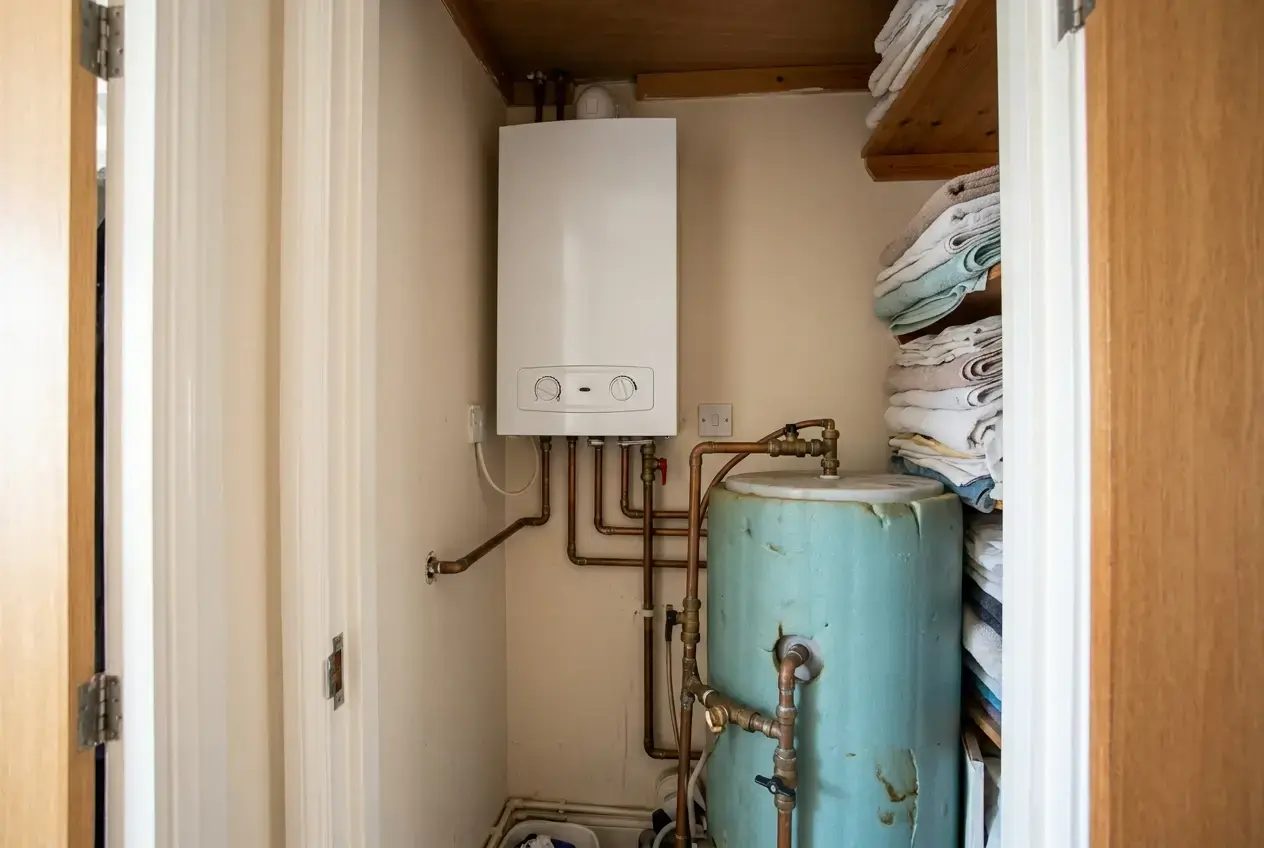
Nearly all the electricity an electric boiler uses ends up as heat in the water. That sounds efficient, and in a narrow sense it is, but it is also the ceiling. A heat pump delivers several units of heat for each unit of electricity, and an electric boiler never delivers more than one. That gap drives everything in the running cost section below.
Why installation is the easy part
There is no flue to route through a wall or roof, and there is no combustion, so there are no fumes to vent. In a flat in a managed block, where drilling an external wall for a flue may need the freeholder’s consent or may be impossible, that matters. Many leases restrict external alterations, and an electric boiler avoids the question altogether.
The other practical advantages for a landlord:
- No gas work. If the boiler was the only gas appliance in the flat and you cap the supply, the annual gas safety record no longer applies. Check for a gas hob or fire first, because any gas appliance that stays keeps the obligation.
- Short job. Swapping a boiler for a wall-mounted electric unit is often a day or two, which suits a void period between tenants.
- Small footprint. The units are compact and can often go in the cupboard the old boiler occupied, freeing up space for a cylinder if you need one.
The electrical side needs checking before you quote anything. Electric boilers draw a substantial load, so they typically need a dedicated circuit from the consumer unit, and an older consumer unit may need replacing. The work must be done and certified by a qualified electrician. Ask for the boiler’s maximum current draw and have the electrician confirm the flat’s supply can carry it alongside everything else the tenant runs, such as an oven, a shower and a kettle.
Electrical safety is worth a thought at the same time. In England, rented homes need an electrical installation condition report at least every five years, so a new circuit and consumer unit will sit inside that regime. Check the rules that apply where your property is, since they differ across the UK.

Running costs: electricity against gas per unit of heat
Two numbers decide the running cost: the efficiency of the appliance and the price of the fuel per kilowatt-hour (kWh).
A condensing gas boiler in a real home typically turns somewhere in the mid-80s to low 90s per cent of its gas into heat, and an older boiler can be worse. An electric boiler converts close to 100 per cent of its electricity. The efficiency gap is small. The price gap is not. Under the Ofgem price cap, a kWh of electricity has for years cost several times what a kWh of gas costs, and that multiple is what makes electric heating expensive.
I am not going to print the cap’s unit rates in this article. They change every quarter, and a figure printed here would be out of date by the time you read it. Take the current electricity and gas unit rates for your region from the Ofgem price cap page, or from the tariff the tenant is likely to be on, and run this calculation.
A worked comparison for a small flat
Assume a one-bed flat needs 6,000 kWh of heat a year for space heating and hot water. That figure is an illustration, so replace it with the real number from an EPC or from the previous gas bills. Assume the old gas boiler runs at 88 per cent and the electric boiler at 99 per cent.
| One-bed flat, 6,000 kWh of heat a year | Efficiency | Fuel bought | Relative fuel cost |
|---|---|---|---|
| Gas boiler | 88% | About 6,820 kWh of gas | 1 (baseline) |
| Electric boiler, electricity 3 times the gas price | 99% | About 6,060 kWh of electricity | About 2.7 times |
| Electric boiler, electricity 4 times the gas price | 99% | About 6,060 kWh of electricity | About 3.5 times |
Replace the 6,000 kWh with the flat’s real figure from its EPC or past gas bills, and the price ratio with the current unit rates from the Ofgem price cap or the tenant’s tariff. Standing charges are excluded.
The gas boiler needs about 6,820 kWh of gas (6,000 ÷ 0.88); the electric boiler needs about 6,060 kWh of electricity (6,000 ÷ 0.99). Now put it in a ratio. If electricity costs four times as much as gas per kWh, the electric boiler’s fuel bill is about three and a half times higher. Even if the ratio were three, it would still be more than two and a half times. There is no extra standing charge for the electric boiler, because the flat already has an electricity supply.
Two things pull the gap back a little. Dropping the gas connection removes the gas standing charge, which is a fixed daily cost the tenant otherwise pays all year. And a cylinder with a time-of-use electricity tariff can heat the hot water at a cheaper overnight rate. Neither closes the gap for space heating, so the swap still raises the annual bill, often by a sum the tenant will notice.
Who pays when the bills are high?
In most cases, the tenant pays for energy, so a landlord who installs an electric boiler is choosing a bill that someone else carries. The tenant’s cost problem becomes yours in several ways.
Affordability. Tenants compare running costs when they view a property, and some will ask what the heating is. A flat with direct electric heating can be a hard sell to anyone on a tight budget, which narrows your pool of applicants.

Cold and damp. A tenant who cannot afford to run the heating turns it down, and a cold flat develops condensation and mould. That produces repair requests, complaints about conditions, and, in the worst cases, disrepair claims that land with the landlord.
Voids and turnover. If tenants leave after one winter because of the bills, the saving you made on installation is lost to void periods and re-letting costs.
Arrears. Households that struggle with energy bills are likelier to struggle with everything else, including the rent.
Stating the expected running cost in the listing, with the EPC attached, is the honest approach and heads off disputes later. Tenants who know what they are taking on are less likely to feel misled when the first winter bill arrives.
What it does to the EPC rating and why to ask your assessor first
The EPC rating reflects fuel cost and efficiency of the whole property, and the heating system type is a major input. The rental EPC C requirement is coming, with October 2030 as the date set out in our EPC rules for landlords guide, so the question of what a new heating system does to the rating is a live one.
Electric heating is costed at electricity prices in the assessment, and electricity is dearer than gas per kWh. A flat that scores a D on gas can score lower on an electric boiler, unless the fabric is already good. The effect varies between properties and between versions of the assessment method, so I cannot tell you what your flat will score from here. The new-format EPCs planned for the 2030 rules are expected to include a separate heating system metric, which is unlikely to favour direct electric heating.
Before you commit, ask an accredited domestic energy assessor to model the swap for your specific flat. It costs little compared with fitting a system that leaves you short of the standard and then needing to rip it out. If the assessor shows you would still sit below C, the rest of the plan matters more than the boiler, and the landlord’s checklist for getting a rental to EPC C covers the improvements to weigh up.
Flats where it makes sense and where something else beats it
An electric boiler suits a narrow set of properties:
- A well-insulated small flat with low heat demand. A mid-floor flat with neighbours above, below and on both sides loses little heat. The lower the demand, the less the poor price ratio costs.
- A flat with no gas supply or no way to fit a flue. If the alternative is a long and expensive gas connection or a lease that blocks a flue, the electric boiler removes the problem.
- A flat you plan to keep only for a short time. If you plan to sell or refurbish within a few years, the low capital cost carries more weight.
In other flats, a different choice wins.
| Option | Cost to fit | Running cost | Effect on EPC | Best suited to |
|---|---|---|---|---|
| Electric boiler | Low | High | Often lower than gas | Small, well-insulated flats with no gas or no flue route |
| Gas combi or system boiler | Low to moderate | Moderate | Usually neutral if replacing an older boiler | Flats with gas and a flue route |
| Air-to-air heat pump | Moderate | Low | Usually better than direct electric | Compact, open-plan flats; a separate hot water solution is needed |
| Air-to-water heat pump | High | Low | Usually better than direct electric | Flats with space for an outdoor unit and a cylinder, and freeholder consent |
| Insulation and draught-proofing | Varies | Lowers any system’s bill | Improves it | Every flat with a leaky envelope, whatever heating you choose |
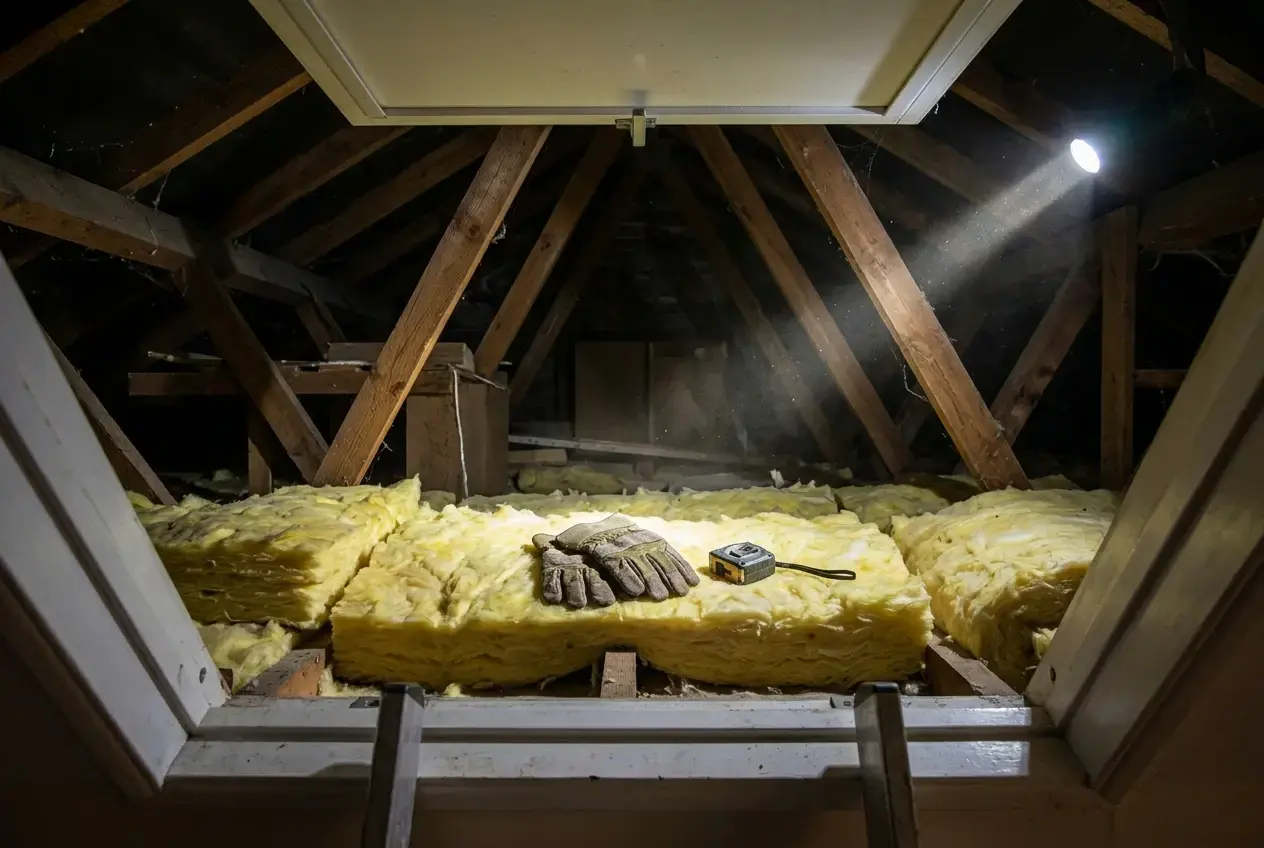
Insulation first. If the flat has a draughty envelope, uninsulated loft above or poor glazing, spending on fabric lowers the heat demand whatever boiler you fit. The comparison in heat pump vs insulation for landlords sets out how the two routes compare on cost to reach EPC C.
An air-to-air heat pump. For a one-bed flat with an open layout, a heat pump that heats the air directly can deliver heat at a fraction of the electric boiler’s running cost. Our guide to air-to-air heat pumps in the UK goes through where they work and where they do not.
Point-of-use water heaters. If space heating is covered some other way and hot water is the issue, small electric heaters at the sink and shower avoid heating and storing a cylinder of water. See point-of-use electric water heaters for how they compare.
Grants, costs and a decision checklist
Electric boilers do not qualify for the Boiler Upgrade Scheme, which supports heat pumps, including £2,500 towards an air-to-air system since April 2026. Whether a landlord can claim for a rental property is a separate question, covered in does the Boiler Upgrade Scheme apply to rental properties. Grant support is a reason to price a heat pump alongside an electric boiler before you decide, since the grant can narrow the capital gap.
For the capital cost side, an electric boiler is typically cheaper to buy and fit than a heat pump, and the comparison against a replacement gas boiler is set out in new boiler cost in the UK. Get at least two quotes that itemise the electrical work, because the consumer unit and cable runs can change the total.
Use this checklist for your property:
- Get the flat’s annual heat demand from its EPC or past gas bills.
- Run the worked calculation with the current Ofgem cap rates for your region.
- Ask the electrician whether the supply and consumer unit can take the load.
- Ask an assessor what the swap does to the EPC rating.
- Check the lease for restrictions on any alternative you are considering.
- Work out what the tenant’s annual bill would be and whether it is one you can defend in a listing.
- Price an insulation package and a heat pump against the electric boiler on both running costs and rating.
- Decide how long you plan to hold the flat, since a short hold favours low capital cost.
Electric boilers in rentals: questions
Is an electric boiler cheaper to run than gas?
No. It is slightly more efficient, but electricity costs several times more per kWh than gas, so the fuel bill is usually between two and a half and three and a half times higher for the same heat.
Does an electric boiler need a gas safety certificate?
No. If it replaces the only gas appliance and the supply is capped, the annual gas safety record no longer applies. A gas hob or fire left in the flat keeps the obligation.
Will an electric boiler lower my EPC rating?
It can, because the current assessment is based on running costs and electricity is dearer than gas. The effect depends on the flat, so ask an accredited assessor to model the swap before you commit.
Can I get a grant for an electric boiler?
No. The Boiler Upgrade Scheme covers heat pumps, not electric boilers. Landlords can claim it for a heat pump, including £2,500 towards an air-to-air system.
Does an electric boiler need a new electrical circuit?
Usually. Most need a dedicated circuit from the consumer unit, and an older consumer unit may need replacing. A qualified electrician must do and certify the work.
If the checklist leaves the electric boiler looking like a stopgap for your property, get a heat pump quote and compare the two on running costs and EPC before you spend anything.