

Most landlords with a rental below EPC C face a budgeting problem before an engineering one. The sensible order for each property is to read the certificate you already hold, price each measure against the points it adds, take the cheapest route to C, and only then think about replacing the heating.
This guide sets out that cost-per-point method and shows how to rank a whole portfolio so the money goes where it moves the rating most. For a measure-by-measure walk-through of a single property, see the landlord’s checklist for getting a rental to EPC C.
Rental to EPC C in short
- The deadline is 1 October 2030 for all private tenancies in scope, with spending capped at £10,000 per property.
- A C on today’s rating before 1 October 2029 counts until that certificate expires, so the current rating is the one to work on now.
- Rank every measure by cost per point, not by the size of the saving, and stop once you clear 69 with a margin.
- Fabric and controls first, heating last, sized to the improved property.
- Keep a file per property: spending since 1 October 2025 counts towards the cap, and an exemption needs evidence.
The 2030 rental rules in brief, and what to check before you spend
The government confirmed the rules for private rented homes in January 2026:
Spending on qualifying measures from this date counts towards the cap
Last date for a C on today’s rating to count until the certificate expires
All tenancies in scope must comply
| Rule | What has been confirmed |
|---|---|
| Who it covers | Private rented homes in England and Wales, new and existing tenancies alike |
| The standard | From late 2029, a dual test on the new-style EPC: fabric performance, then either heating system or smart readiness |
| Today’s certificate | A home rated C or above on the current rating before 1 October 2029 is treated as compliant until that EPC expires or is replaced |
| Cost cap | £10,000 per property; homes worth under £100,000 capped at 10% of value |
| What counts | Qualifying measures since 1 October 2025, including third-party funding, but not the Boiler Upgrade Scheme grant |
| Exemptions | A 10-year exemption once the cap is spent, plus others for negative impacts, solid walls, consent refused and new landlords |
| Penalties | Up to £30,000 per property |
Confirmed in the Warm Homes Plan, January 2026. Detailed regulations and guidance are still to follow, so check GOV.UK before you commit money. Scotland and Northern Ireland set their own rules.
The 2029 date changes the plan. Work done now is judged on today’s cost-based rating, which this guide uses. After October 2029 the test moves to fabric performance on the new-style EPC, which rewards insulation more and heating changes less. For the full rules and exemptions, see EPC rules for landlords.
Read the EPC you already have
Retrieve the certificate free from the government’s “Find an energy certificate” service by postcode. Certificates last ten years, so check the assessment date: the recommendations on an older one may be out of date.
Band C starts at 69 points; band D runs from 55 to 68. A flat at 66 needs three points and a house at 52 needs seventeen, and those call for very different budgets.
Check that it describes the property as it is now. Loft insulation the assessor could not measure, a newer boiler or double glazing fitted since may be missing. A fresh assessment with evidence can lift the score for the price of the assessment alone.
The cost-per-point method: find the cheapest route to 69
The recommendations page lists each measure with an indicative cost, a typical saving and, on newer certificates, the rating after that step. Use it like this:
- Write down the gapYour current score, and the points to 69 plus a margin of two.
- List every recommendationWith its indicative cost from the certificate.
- Note the points each addsFrom the rating shown after each step on newer certificates.
- Divide cost by pointsA £300 measure adding two points beats a £4,000 one adding six.
- Work down from the cheapestStop when the running total clears 69 with your margin.
- Get quotes for the shortlistThe certificate’s costs are estimates, not prices.
Points are not simply additive. Each measure tends to add slightly less once others are done, because there is less heat left to lose, so keep the margin. Here is the method on an example flat scoring 63:
| Measure | Indicative cost | Points | Cost per point | Running score |
|---|---|---|---|---|
| Cylinder jacket | £25 | 1 | £25 | 64 |
| LED bulbs in remaining fittings | £60 | 1 | £60 | 65 |
| Loft top-up to around 270 mm | £450 | 3 | £150 | 68 |
| Programmer, room thermostat and TRVs | £400 | 2 | £200 | 70: done |
| New condensing boiler (not needed) | £3,000 | 5 | £600 | skipped |
An illustration for a flat scoring 63, not figures for your property. Here £935 reaches C; leading with the boiler would have cost £3,000 and still fallen short.
Which measures usually come first
These are typically cheapest per point, which is why they lead the list:
| Measure | Usually cheap per point when | Watch out for |
|---|---|---|
| Low-energy lighting | Any fixed fittings are not yet LED | Nothing; do it first |
| Cylinder jacket | The cylinder has a thin or no jacket | Factory-foamed cylinders gain little |
| Loft insulation | The loft has thin or no insulation | A loft already at 200 mm gains far less; keep eaves ventilation clear |
| Heating controls | Programmer, room thermostat or TRVs are missing | A basic programmable thermostat may earn the same credit as a smart one |
| Draught-proofing | As a top-up | Never block ventilation a flue, gas appliance or extractor relies on |
| Cavity wall insulation | Recommended and the walls are suitable | Exposed or damp walls need a survey first |
| Solid wall insulation | Rarely cheap per point | Wrong materials trap damp; see solid-wall house to EPC C |
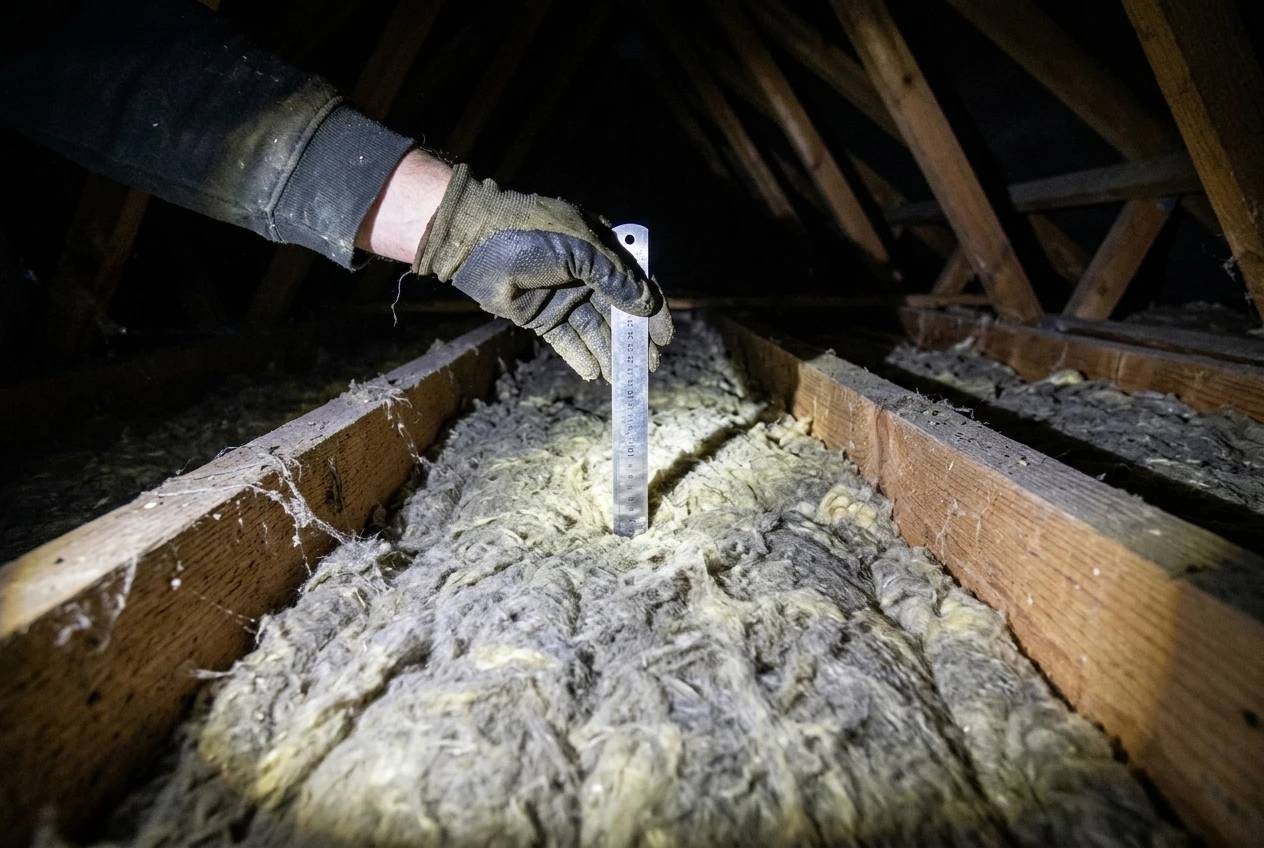
If these close the gap, stop there and lodge the new EPC. For controls, a basic programmable thermostat often earns the same credit as a smart one; see the best smart thermostats for heat pumps for when smart is worth it.
Boiler or heat pump: when heating earns its place
A new boiler is the measure landlords reach for first, and it is often the wrong first spend. A heat pump is an option to test against cheaper routes, not a default: the current rating is cost-based, and electricity costs more per unit than gas, so the points it adds depend on the property.
A new boiler
- The existing one is non-condensing, very old or failing
- It is near the end of its life anyway, so you would pay regardless
Little gain when the boiler is already a condensing model in reasonable condition: often a point or two for a four-figure bill. Fit it after the insulation, by a Gas Safe engineer, and give the tenant the gas safety record.
A heat pump
- The home is off the gas grid on oil, LPG or direct electric
- The fabric is already decent, and radiators are big enough or cheap to change
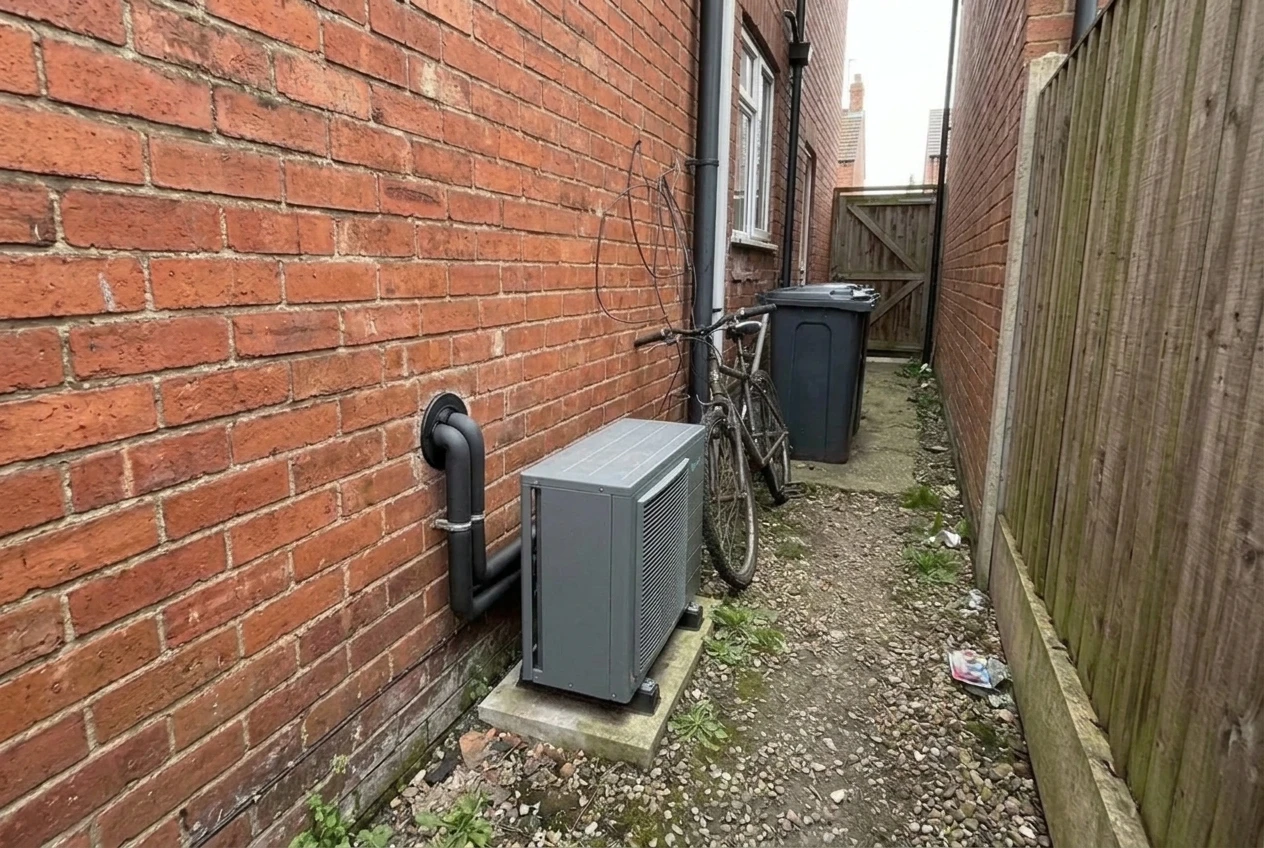
- There is room for the outdoor unit and a cylinder
- The Boiler Upgrade Scheme grant applies
Wrong spend when a poorly insulated flat with a working gas combi is a few points short, or there is no space for a cylinder.
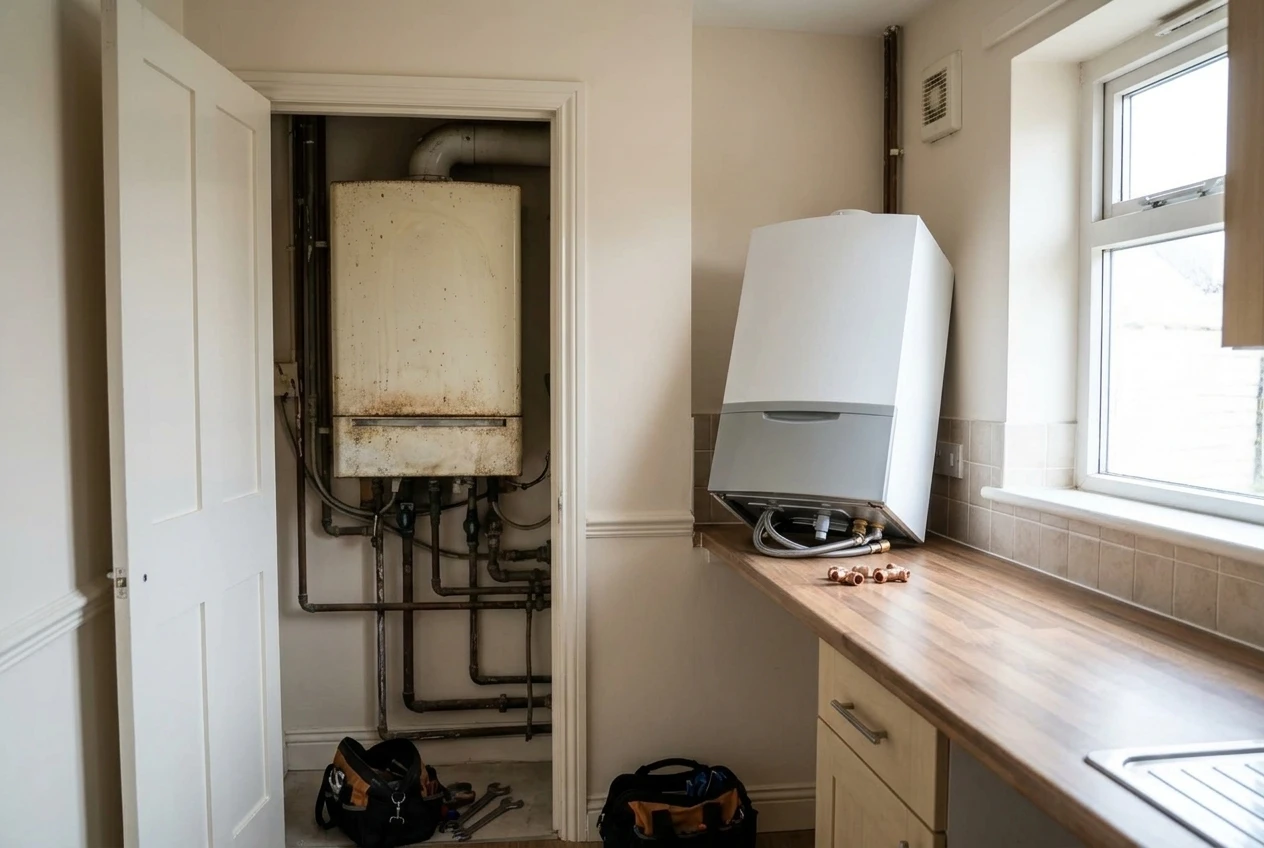
Before a heat pump, ask for a room-by-room heat loss calculation and design flow temperature; is your heat pump design right? lists the warning signs. Check the tenant’s likely bills against gas with ten years of heat pump and gas running costs, because high bills come back to you as complaints or voids. For boiler models, see the best combi boilers; for a rental, pick the reliable one your engineer can service easily.
Insulation and heating together: the order that avoids paying twice
Heating is sized to the heat the building loses. Fit a boiler or heat pump first and insulate afterwards, and you have paid for a bigger unit, cylinder or radiators than the property now needs.
- Fabric measures with the best cost per point: loft, draught-proofing, cavity fill if suitable.
- Controls and lighting, which cost little and cut bills straight away.
- Re-assess to see how far you are from 69.
- Heating replacement only if a gap remains, sized to the improved property.
A good engineer will want the insulation done before quoting for a boiler. Under the new fabric-based test from 2029, this order matters even more.
Who pays, what grants may apply, and how to keep records
As the owner you pay for improvements to the building and its fixed heating. Check any mortgage terms, because some lenders need to be told about structural work, and give the tenant proper notice before entering.
Grants. The Boiler Upgrade Scheme accepts landlords for heat pumps in England and Wales; see does the Boiler Upgrade Scheme apply to rentals? Some other schemes have been open to landlords, often tied to the tenant’s income, and local council schemes vary. Check current eligibility in which heating grants you can claim. If you plan to borrow, see borrowing for a heat pump or insulation.
Records. Keep a file for each property for as long as you own it. It proves your spending towards the cap and supports any exemption:
- The EPC before the work, and the new one after it
- Every quote, including those you declined, with dates
- Invoices and proof of payment, dated from 1 October 2025
- Certificates: Gas Safe, MCS for heat pumps, insulation guarantees
- Dated photos before, during and after, including loft depth
- Grant applications and approval letters
- Any exemption registration and its evidence
- Notes on tenant access and notice given
Ask your accountant how each cost is treated for tax: whether an item is a repair or an improvement changes how it can be claimed.
Planning a portfolio: ranking properties by distance from C
With several rentals, one spreadsheet turns this into a spending plan. List each property with its score, the points to 69, the cheapest measures that close the gap and their cost:
| Property | Score | Points to 69 | Cheapest measures that close it | Cost | Group |
|---|---|---|---|---|---|
| Flat, Leeds | 66 | 3 (+2) | LEDs, cylinder jacket, TRVs | £500 | Close |
| Terrace, Bolton | 59 | 10 (+2) | Loft, controls, cavity fill, then boiler | £5,500 | Mid-gap |
| Cottage, off gas | 41 | 28 (+2) | Fabric first, then heat pump with grant | Survey needed | Far |
An example layout with made-up properties. Fill yours from each EPC, then confirm the costs with quotes.
Then sort them into three groups:
Close to C
One or two cheap measures finish the job. Do these first: the spend is small and the risk disappears quickly, and a C before October 2029 lasts as long as the certificate.
Mid-gap
Get quotes and plan the work around tenancy end dates, when access is easier. A boiler may be part of it, sized after the fabric work.
Far from C
Get a full assessment, check grants and whether the £10,000 cap or another exemption could apply, and be willing to plan a different long-term future for the property.
Combine visits so the loft, draught-proofing and controls happen in one access day, use one trusted contractor across the portfolio where you can, and spread the work across tax years and tenancy gaps. Start early: installers get booked up as deadlines approach, and a new EPC has to be lodged after the work is complete.
Common questions
Rental EPC C: common questions
When do rentals need to be EPC C?
By 1 October 2030 for all private tenancies in scope in England and Wales. A C on the current rating gained before 1 October 2029 counts until that certificate expires.
What is the most I will have to spend?
Up to £10,000 per property, or 10% of the value for homes worth under £100,000. Qualifying spending since 1 October 2025 counts. Once the cap is spent you can register a 10-year exemption.
Does the Boiler Upgrade Scheme grant count towards the cap?
No. Other third-party funding can count, but the Boiler Upgrade Scheme grant is excluded.
Can I get a new EPC if the old one looks wrong?
Yes. If insulation, a newer boiler or glazing was missed, a fresh assessment with evidence can lift the score for the price of the assessment. See the common errors in the landlord’s checklist for EPC C.
Who pays for the work, the landlord or the tenant?
The landlord, for improvements to the building and its fixed heating. Give the tenant proper notice before entering, and ask your accountant how each cost is treated for tax.
Will a heat pump get my rental to C?
Not on its own under today’s cost-based rating, and not cheaply in a poorly insulated home. See heat pump or insulation: the cheapest route to EPC C.
Next step
If the cost-per-point sums point to a heat pump for one of your rentals, ask for a quote through my heat pump quote page, and read how to vet a heating installer before you accept one.